
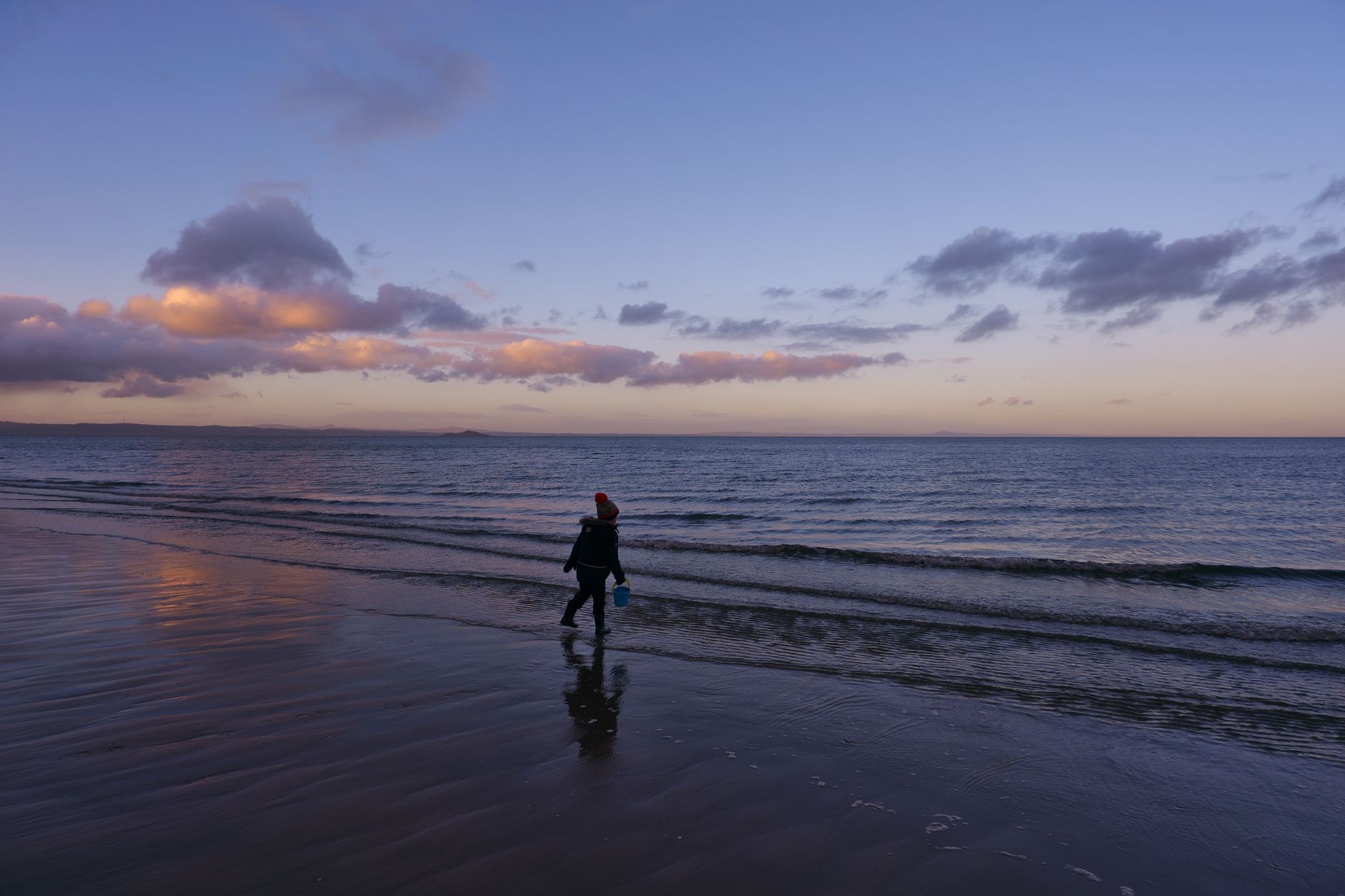
Portobello is Edinburgh’s seaside neighbourhood, located three miles east of the city centre overlooking the Firth of Forth. Known locally as ‘Porty’, it offers a distinctive contrast to the capital’s medieval core: two miles of sandy beach, a restored Victorian promenade, and a growing community of independent shops, cafés and cultural venues. What makes Portobello remarkable is how its dual history – as both an industrial centre and fashionable resort – has shaped its character today.
The neighbourhood attracts visitors seeking a day by the sea without leaving the city, residents discovering creative independent businesses, and families drawn to its accessible beach and promenade. Unlike Edinburgh’s other coastal areas, Portobello developed deliberately as a pleasure destination during the Victorian era and has recently re-emerged as one of Scotland’s coolest neighbourhoods following decades of relative quietness.
Understanding Portobello requires knowing both how it became famous in the 19th century and how it has transformed in recent years. The beach itself remains the heart of the experience, but the surrounding streets and buildings tell the story of a place reinventing itself while preserving its heritage character.
The making of a Victorian seaside resort
Portobello’s origins are industrial rather than recreational. The area was originally called Figgate Muir, moorland used primarily for rough pasture. In the early 18th century, clay deposits attracted pottery manufacturing, which would define the district for generations. The name ‘Portobello’ arrived in 1740 when retired sailor George Hamilton built a cottage near the seafront and named it ‘Puerto Bello’ after the victorious Battle of Panama in 1739.
As Edinburgh grew wealthier in the late 18th century, Portobello began its transformation from industrial village to seaside retreat. By 1800, the sands were already being used for military drill practice. The decisive change came with infrastructure investment: public saltwater baths opened in 1807 at a cost of £5,000, marking the shift toward leisure. The promenade itself was constructed in 1864, finally giving public access to what had previously been restricted by private property owners.
Once the promenade opened, development accelerated rapidly. By 1827, guidebooks described Portobello as home to elegant villas and a fashionable summer resort where sea bathing attracted visitors from across Scotland. The horse-drawn railway arrived in 1838, followed by steam rail in 1846, bringing tourists from Glasgow and beyond. By the 1850s, a public park, golf course, and a pleasure pier with a pavilion large enough for concerts marked Portobello’s establishment as a premier destination. The Portobello Baths, now known as Portobello Swim Centre, were constructed between 1898 and 1901 and included one of the UK’s first Turkish baths – now one of only three remaining Victorian Turkish bath facilities in Scotland.
From Victorian heyday to mid-century decline
Portobello’s golden age extended into the Edwardian period and the early 20th century. Glasgow workers, freed for two weeks during the annual ‘Glasgow Fair’ holiday, descended on Portobello and East Lothian beaches in their thousands. The neighbourhood’s facilities reflected this mass tourism: outdoor swimming pools heated by waste from the Portobello Power Station (which operated from 1923 to 1977), amusement arcades, cafés and dance halls alongside the promenade.
However, the second half of the 20th century brought familiar pressures to British seaside towns. Cheap flights to Mediterranean destinations, changes to working practices ending the Glasgow Fair tradition, and the car culture meant fewer visitors chose a Scottish beach. The opening of a bypass in the 1980s meant traffic no longer flowed through Portobello, further isolating the neighbourhood from passing trade. The railway station closed in 1964. The funfair eventually closed in 2007 and was demolished.
By the early 2000s, Portobello had declined noticeably. Yet the physical infrastructure remained: Victorian villas still lined the High Street, the Swim Centre continued its century-long operation, and the long promenade endured. This heritage architecture, combined with affordable property, would become the foundation for its contemporary revival.
Portobello today: Neighbourhood renaissance
Over the past decade, Portobello has undergone a genuine neighbourhood transformation. The drivers have not been tourism investment or council development schemes, but rather Edinburgh residents – young families, artists and independent business owners – priced out of the city centre who chose to establish themselves in this coastal suburb. Independent bakeries, bookshops, craft breweries and galleries have opened on the High Street. Portobello Swim Centre continues serving the community as it has for over 120 years.
In 2024, Edinburgh’s Portobello was named one of Britain’s coolest neighbourhoods by The Sunday Times’ Best Places to Live list. This recognition reflects not manufactured tourism development but organic community revival. The neighbourhood maintains its seaside charm – the promenade remains popular for relaxation, walking and informal sports – but now with a thriving local culture alongside the beach experience.
The beach and promenade
Portobello Beach
The two-mile sandy beach is Portobello’s most visible asset. The sand is light coloured and gently shelving, making it suitable for paddling and swimming in appropriate conditions. The beach has won multiple awards for cleanliness and water quality. The Firth of Forth remains cold even in summer, typically reaching around 15°C in August and dropping to around 7°C in winter, so most swimmers wear wetsuits. There is no lifeguard service, so swimmers should check conditions and be aware of weather changes.
The beach is interspersed with wooden groynes and includes volleyball courts, particularly active during warmer months when the Edinburgh Beach Volleyball Club runs regular sessions. Sea swimming has become increasingly popular; the informal Portobello Sea Swimming Group meets year-round and welcomes visitors interested in cold-water swimming in a supportive community.
The Victorian promenade
Built in 1864, the promenade stretches the full length of the beach and is one of Portobello’s defining features. The level, well-maintained path provides uninterrupted sea views and is lined with benches, cafés and shops. It is fully accessible to wheelchairs and mobility scooters, and beach wheelchairs are available for those who wish to travel onto the sand itself. The promenade remains a genuine social space where residents walk, run, cycle and simply sit by the sea.
Attractions and activities
Portobello Swim Centre
This is the neighbourhood’s most historically significant building. The 1898 structure (completed 1901) retains many original features, including a terracotta facade and original interior fittings. It now houses swimming pools, a gym and fitness studio, and houses Edinburgh’s only publicly available authentic Victorian Turkish bath – one of only three remaining in Scotland. Entry costs approximately £10–15 per session. The council-run facility remains a community hub and a remarkable survivor of Edwardian leisure culture. For visitors interested in Edinburgh’s social history, the Turkish bath experience offers a tangible connection to Victorian resort life.
Figgate Park
Located between Duddingston and Portobello, this green space offers an alternative to the beach. A pond at the park’s centre supports diverse birdlife and aquatic wildlife, attracting families for informal nature watching. A walkway crosses part of the pond, and carved sculptures are scattered throughout. The park provides picnic tables and open space for families with children.
Shopping and independent businesses
Portobello High Street has become known for independent retailers alongside traditional high street names. The Portobello Bookshop is a light-filled, curated independent bookstore that hosts author events and serves as a cultural hub. Twelve Triangles is an artisan bakery famous for slow-fermented sourdough and cinnamon knots; weekend queues are common. Tills & Company combines a second-hand bookshop, café and community space. The Velvet Easel gallery features contemporary art. Smaller shops offer Harris Tweed, flowers, pasta and specialist goods, reflecting the neighbourhood’s creative character.
Art and culture
Bellfield, a community hub opened in 2018 after a successful campaign to convert the former Portobello Old Parish Church, hosts classes, events and exhibitions. It offers facilities for hire in historic spaces including a period celebration hall with original seating for 300. The promenade hosts seasonal events including the Big Beach Busk and the Art Walk Porty Festival, a two-week celebration of contemporary art.
Food and drink
The neighbourhood has developed a reputation for independent food businesses. The Beach House Café serves breakfast and brunch with indoor and outdoor seating overlooking the sea. Printworks offers sit-in breakfasts and lazy brunches with jazz soundtracks. Golden Bite is a long-established fish and chip shop; takeaway portions are popular to eat on the beach. Passey’s Café Bar offers fresh, locally sourced lunch dishes. Multiple cafés, bars and restaurants line both the promenade and High Street. The Portobello Beach House, The Espy and newer craft breweries like Vault City offer dining and drinking with sea views.
Getting there and practical information
By bus
Bus is the most common way to reach Portobello from the city centre. Lothian Buses routes 19 and 26 run frequently from Princes Street directly to Portobello, taking approximately 15–20 minutes. Multiple other routes (4, 5, 21, 26, 44, 45, 49, 124 and the night service N26) serve different parts of the neighbourhood. Services run throughout the day and evening, with night buses available.
By train
Brunstane railway station is the nearest train stop, approximately a 15-minute walk downhill from the beach and High Street. Trains from Edinburgh Waverley and Haymarket stations run hourly to Brunstane on the line to Tweedbank in the Scottish Borders. This option is convenient for those arriving by train from other Scottish cities but involves a walk from the station.
By car and parking
Portobello is approximately three miles east of the city centre and a 20-minute drive in normal traffic. However, parking can be challenging, particularly on sunny weekends and during school holidays. There is no dedicated beach car park; visitors generally use on-street parking in residential streets behind the promenade. Parking restrictions and disabled bays apply, and spaces become scarce in summer. Alternative parking can sometimes be found on quieter streets further inland, though this requires a longer walk.
Accessibility
The promenade is fully accessible to wheelchairs and mobility scooters with smooth, level surfacing. Beach Wheelchairs Portobello (0300 666 0990) provides all-terrain wheelchairs suitable for travelling over sand. Public toilets with accessible facilities are located at Bath Street and Pipe Lane. Dogs are allowed on the beach year-round with no restrictions, and the beach is one of Edinburgh’s most popular dog-walking spots. The area is generally considered family and elderly-friendly, with gradual beach shelving and accessible facilities.
What to notice when you visit
- The architecture: Victorian and Georgian villas survive on streets behind the High Street and around the seafront. The Portobello Baths building is distinctive with its terracotta facade and original detailing. The area is designated a Conservation Area.
- The promenade itself: The 1864 design remains relatively unchanged, offering a genuine example of Victorian seaside planning and a window into how beach resorts were conceived.
- Community life: The beach and promenade genuinely serve local residents – this is not a tourist-focused space in the manner of many British resorts, which is part of its appeal.
- The decline and revival: You will notice both heritage buildings being carefully preserved and newer independent businesses establishing themselves – the neighbourhood is actively evolving.
- Industrial heritage: Pottery and manufacturing remains visible in place names and occasional surviving structures, reflecting Portobello’s 18th-century origins.
When to visit
Portobello works as a destination year-round, though the experience differs by season. Summer brings the beach crowds and outdoor dining, water sports activities, and warmer (if still cool) swimming conditions. Spring and autumn offer milder weather for promenade walks, with fewer crowds. Winter transforms it into a quiet, contemplative seaside space – locals swim in the cold sea, and the long promenade is peaceful for walking and wildlife watching. The main events (Big Beach Busk, Art Walk Porty) occur during the warmer months, but the neighbourhood itself never truly closes.
How Portobello fits into an Edinburgh visit
For many Edinburgh visitors, Portobello offers a half-day or full-day escape from the city centre. It is substantially different in character from Edinburgh’s Old Town, New Town or other neighbourhood destinations, as it lacks historical monuments but emphasises coastal living, contemporary independent culture and informal community space. For those interested in architectural heritage, the Victorian and Georgian buildings and Conservation Area status are significant. For families, the accessible beach and promenade offer genuinely free recreation. For those researching how British cities are managing urban change, Portobello’s organic revival offers lessons in community-led neighbourhood transformation rather than top-down development.
The neighbourhood is also naturally connected to the broader coastal geography: from Portobello, it is straightforward to walk or cycle to adjacent Joppa or reach other parts of Edinburgh’s waterfront like Leith (our separate neighbourhood article covers Leith’s distinct maritime heritage and waterfront regeneration).
Frequently asked questions
Is it safe to swim at Portobello Beach?
Swimming is generally safe in suitable conditions, and the beach has won awards for water quality. However, there is no lifeguard service. The Firth of Forth is cold even in summer, conditions can change quickly, and sewage overflows can occur after heavy rain. Always check current conditions, be aware of weather, avoid swimming alone, stay near the shore, and pay attention to safety signage.
Is the beach free to visit?
Yes, Portobello Beach and the promenade are completely free to access. Parking can be challenging and may incur charges in some streets. Individual attractions like the Swim Centre and Turkish bath charge admission. Cafés, restaurants and shops are optional.
How busy does Portobello get in summer?
On sunny summer days, the beach and promenade can become quite busy, particularly on weekends and school holidays. Parking becomes considerably harder to find. The beach is large enough that crowds rarely feel overwhelming, but those seeking solitude should visit on quieter days or outside peak season.
Can I bring dogs to Portobello Beach?
Yes, dogs are allowed year-round with no restrictions. Portobello is one of Edinburgh’s most popular dog-walking spots, and the beach and promenade are genuinely dog-friendly spaces.
Is Portobello worth visiting if I don’t want to swim?
Absolutely. Many visitors never enter the water. The promenade offers excellent views and a pleasant walk, independent shops and cafés merit browsing, and the architectural heritage is worth noticing. The beach itself is suitable for relaxation, sunbathing, building sandcastles and casual strolling. Water sports (kayaking, sailing, volleyball) don’t require swimming.
What’s the nearest train station?
Brunstane railway station is the closest, a 15-minute walk downhill from the beach. Trains run hourly to/from Edinburgh Waverley and Haymarket. From the airport or other Scottish cities, this can be convenient, though the walk from the station is longer than some visitors expect.
Portobello in the context of Edinburgh’s neighbourhoods
Portobello’s story is one of reinvention. Unlike the historic Old Town or carefully preserved New Town, it has experienced genuine decline and genuine renewal driven by residents and independent businesses rather than heritage tourism development. This gives it a contemporary energy that complements rather than duplicates other Edinburgh experiences. For those visiting Edinburgh, Portobello offers authentic seaside neighbourhood life, genuine community spaces, and a window into how urban areas adapt and revive. For those considering Edinburgh as a place to live, it demonstrates how heritage and new independent culture can coexist in a thriving, evolving space.