
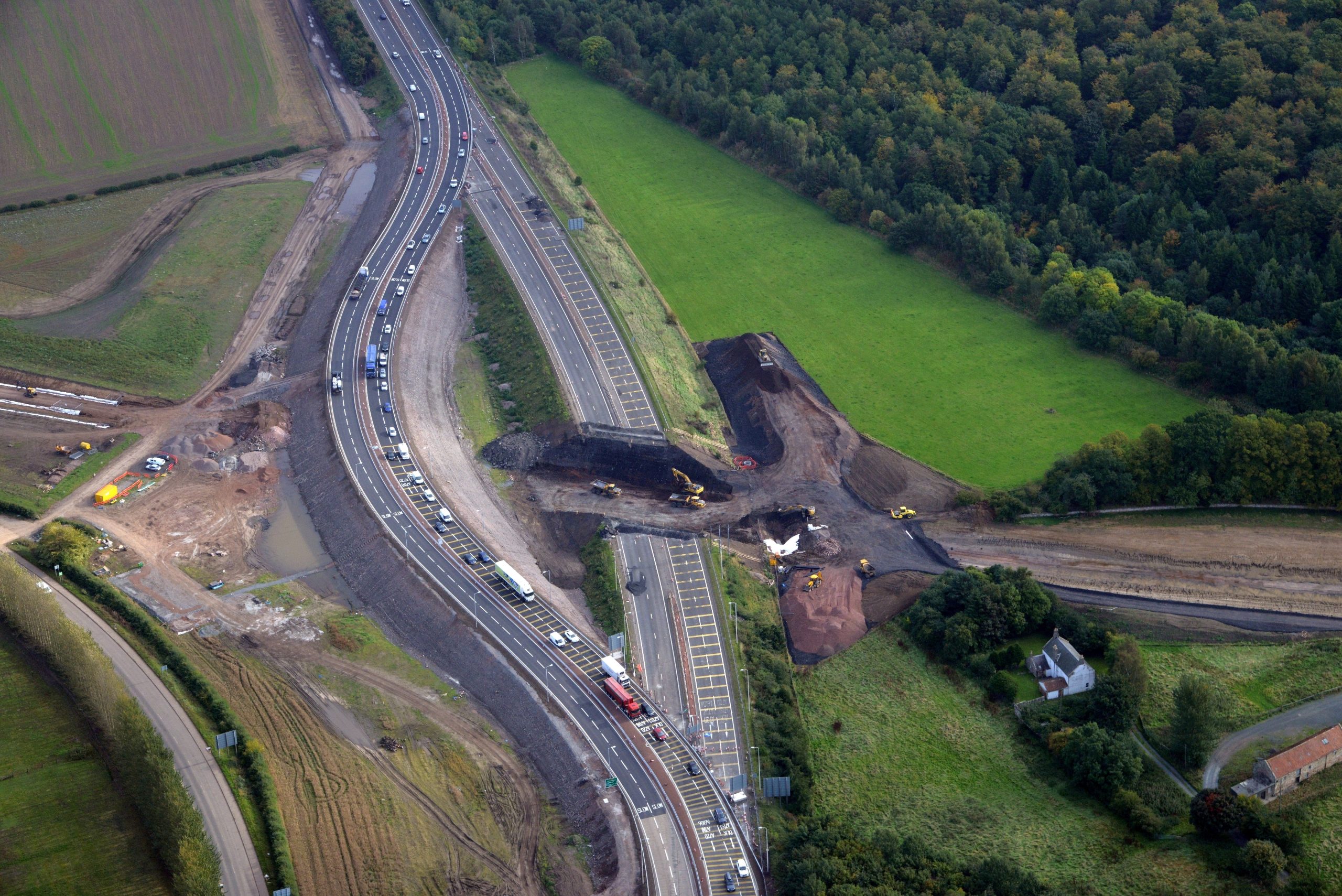
The planning and construction of modern roadways are both critical to urban development and complex challenges that require thorough analysis of multifaceted issues. One of the prominent infrastructures influencing traffic patterns and urban accessibility in Scotland is the Edinburgh City Bypass. As we look forward to 2026, it becomes essential to understand its historical context, current status, and anticipated impact on the region’s transport network and economic landscape.
Understanding the Historical Context and Current Landscape
The Edinburgh City Bypass was developed to alleviate congestion in and around Scotland’s capital, facilitating smoother transit between key destinations. Since its opening in 1990, this strategic roadway has been a focal point of discussion for planners, commuters, and economists alike. As urban populations continue to grow, the Bypass has faced increasing scrutiny over its effectiveness in handling the rising volume of traffic.
An important milestone in the project’s history was the external assessments of its impact on local communities and environments, highlighting the bypass’s dual role as a functional route for vehicles while simultaneously affecting local ecosystems. Understanding this duality is vital to grasping the broader implications of infrastructure decisions in urban planning, especially in Edinburgh’s Identity: Scottish or British? Exploring Cultural Nuances and Historical Context.
Current Traffic Performance and Usage Trends
In recent years, traffic studies reveal significant trends that merit attention. The bypass has witnessed fluctuating traffic volumes, driven primarily by changing commuting patterns, economic conditions, and external factors such as the recent rise in remote working. Table 1 below summarizes key traffic statistics collected from various monitoring points along the Bypass.
| Year | Average Daily Traffic (vehicles) | Peak Hour Traffic (vehicles) | Incidents Reported |
|---|---|---|---|
| 2020 | 42,000 | 5,500 | 150 |
| 2021 | 38,000 | 4,900 | 120 |
| 2022 | 45,000 | 6,000 | 130 |
| 2023 | 50,000 | 7,200 | 110 |
| 2024 | 52,000 | 7,500 | 100 |
The fluctuations seen in recent years reflect broader trends impacting urban transit networks, emphasizing the ongoing need for infrastructure adaptability in the face of evolving societal habits. Additionally, factors outlined in City Vision 2030: Sustainable Development and the Green City could serve as a guide for future developments.
An Executive Overview of Current and Future Developments
Insights gathered from stakeholders—including transportation agencies, local governments, and residents—highlight ongoing debates and future plans focused on the Edinburgh City Bypass. While the road serves its fundamental purpose, challenges such as congestion during peak hours and environmental impacts persist.
As of 2026, a planned upgrade of the Bypass aims to introduce smart traffic management systems designed to optimize flow and reduce incidents. The collaborative input from diverse stakeholders signals a shift toward a more integrative approach to urban mobility, aligning local priorities with national transport objectives, much like those seen in Edinburgh and Digital Innovation: Becoming a Smart City.
Strategic Importance and Economic Impact
The strategic location of the Edinburgh City Bypass positions it as a vital artery that connects various regional highways and provides access to commercial and residential areas. Understanding its economic impact is crucial. The Bypass significantly contributes to regional economies, fostered by improved connectivity and infrastructure, translating to economic opportunities.
Below is a comparative breakdown detailing how the Bypass influences economic activities in different sectors:
| Sector | Direct Impacts | Indirect Impacts |
|---|---|---|
| Retail | Increased footfall in surrounding areas | Job creation in retail sectors |
| Construction | Accelerated development of projects | Long-term employment prospects |
| Tourism | Ease of access for tourists | Boost to local businesses | Logistics | Reduced transportation times | Cost-effectiveness for suppliers |
By illustrating the direct and indirect impacts of the Bypass on various sectors, planners can see how careful enhancements to this infrastructure can foster greater economic resilience, resonating with insights found in Edinburgh Farmers’ Market: Complete Guide to Visiting, Products & Tips.
Analyzing Recent Infrastructure Developments
To assess the Edinburgh City Bypass’s adaptations surrounding infrastructure improvements, one must observe not just traffic patterns but also technological advancements integrated into roadway management systems. Recent enhancements, which include intelligent traffic signals and real-time information displays, serve to optimize vehicle flow and improve safety measures.
Significantly, the Bypass is undergoing modernization initiatives aimed at reducing congestion. These adaptations reflect broader trends in urban infrastructure planning, where technology plays a pivotal role in addressing real-time issues faced by commuters.
Technological Integration and Urban Mobility
Investments in technology for urban infrastructure can influence a variety of outcomes, from traffic management to environmental sustainability. As part of a concerted effort to modernize, future enhancements will prioritize not only performance but aim to establish metrics for evaluating environmental impacts.
Innovations beyond conventional roadway designs may also include provisions for bicycle lanes, public transport integrations, and electric vehicle charging infrastructures, as cities like Edinburgh strive to meet evolving sustainability goals.
Strategies for implementing these enhancements must consider existing regulatory frameworks while facilitating collaboration with regional planning authorities, similar to the strategies discussed in Harry Potter’s Enchanting Connection to Edinburgh’s Magical Landscapes.
Assessing Regulatory Framework and Market Dynamics
Understanding the regulatory and structural context surrounding the Edinburgh City Bypass is paramount for strategic decision-making. Regulatory frameworks govern safety standards, construction permits, and environmental considerations that must be adhered to during project executions.
In a fast-evolving market landscape where public transport and environmental concerns increasingly dictate urban planning, the Bypass represents a microcosm of the tensions that exist between growth and sustainability. The symbiosis between policy-making, public interests, and infrastructural performance is further nuanced when addressing issues like pollution control and community displacement.
Including broader market dynamics, external factors such as fuel prices and shifts in public transport options can significantly influence traffic forecasts and planning considerations.
Future Regulatory Considerations
Predicting future regulatory changes poses challenges, yet keeping abreast of potential shifts can equip stakeholders with critical knowledge for strategic operations. Upcoming regulations focusing on carbon emissions and transport electrification could have far-reaching consequences for transport planning around the Bypass.
The interplay between local governance and national transport policy will play a pivotal role in determining how effectively these regulations can be integrated into on-ground practices.
Framework for Practical Decision-Making
Given the complexities surrounding urban planning, establishing a practical decision-making framework is essential for evaluating future enhancements of the Edinburgh City Bypass. The framework should incorporate stakeholder engagement, environmental assessments, and economic evaluations to ensure comprehensive outcomes.
Decision-makers should be equipped with structured approaches—utilizing quantitative data for traffic forecasting and qualitative research on community considerations—to gauge potential strategies and their implications.
This approach not only ensures transparent discourse among stakeholders but also reinforces the significance of adaptive management practices in urban infrastructure planning.
Key Decision Considerations
When developing the decision-making framework for improvements within the Bypass, decision-makers should focus on the following considerations:
- Transportation Demand Management: Seek strategies to reduce peak hour traffic through carpool incentives and flexible work arrangements.
- Sustainability Parameterization: Integrate sustainable practices such as water management and habitat protection during construction.
- Community Consultation: Regularly involve local community feedback in project assessments to align developments with public interests and concerns.
Making decisions based on these considerations can contribute to a balanced approach that values efficiency and social responsibility.
Identifying Risks and Limitations in Planning
Planning for urban infrastructure like the Edinburgh City Bypass entails inherent risks and limitations that must be evaluated in decision-making processes. Increased traffic volumes can exacerbate stress on existing infrastructure, leading to potential service breakdowns if left unaddressed.
From budgetary constraints to environmental considerations, acknowledging these risks is crucial for informed decision-making. Transport planners must anticipate not only current challenges but also future hurdles as urban environments continue to evolve.
Mitigation Strategies
Effective risk mitigation begins with robust planning. Key strategies could include:
- Scenario Planning: Simulating various traffic and environmental scenarios and their impacts to refine responses.
- Redistribution of Resources: Flexibly allocating budgets toward urgent upgrades based on observed performance metrics.
- Regulatory Compliance Audits: Proactively conducting audits to ensure future developments comply with emerging safety and environmental regulations.
Through diligent planning and strategic mitigation approaches, stakeholders can address potential downfalls while maximizing the benefits of improvements to the Bypass.
Promoting Trust and Transparency in Urban Infrastructure
Elevating trust levels among stakeholders – including local residents, businesses, and governmental agencies – is essential for the success and sustainability of infrastructures like the Edinburgh City Bypass. Transparent communication and stakeholder engagement strategies must be prioritized to enhance public confidence.
This aspect should encompass not just the governance processes but also in decision-making protocols where public concerns are meaningfully integrated into project evaluations, similar to how Fawlty Towers: A Timeless Influence on British Comedy and Culture emphasizes cultural narratives.
Mechanisms for Engaging Stakeholders
Implementing effective engagement mechanisms is crucial for maintaining transparency. Possible approaches could involve:
- Public Consultations: Organizing regular town hall meetings to solicit input and address concerns from local residents.
- Digital Platforms: Utilizing online platforms to disseminate information and collect feedback in a timely and accessible manner.
- Impact Assessments Reports: Publishing regular reports that articulate progress, challenges, and ongoing plans involving the Bypass’s evolution.
Engaging stakeholders through various channels empowers the community and reinforces trust, ultimately cultivating an environment conducive to sustainable development and impactful outcomes.
The trajectory of the Edinburgh City Bypass reflects broader patterns in urban infrastructure development, illustrating complex relationships between transport planning, economic vitality, community engagement, and regulatory compliance. As the city navigates these challenges leading to 2026, its approach to improving the Bypass will serve as a case study for other metropolitan areas facing similar predicaments in an ever-evolving landscape.