
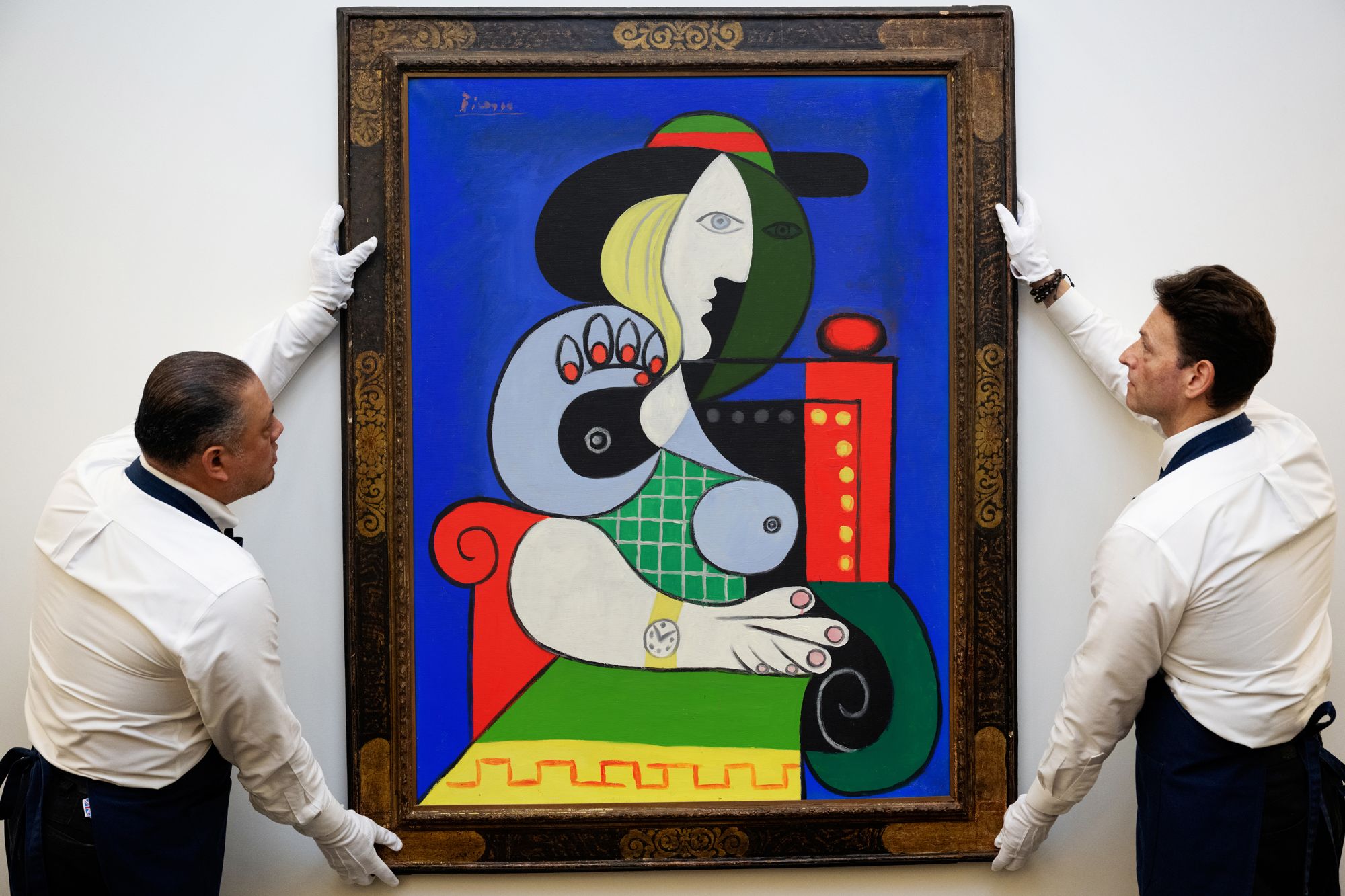
Pablo Picasso, a towering figure in the world of modern art, is celebrated not only for his groundbreaking contributions to the visual arts but also for his complex and often tumultuous personal life. His relationships, particularly with women, have been the subject of much attention and speculation. Among these relationships, his mistresses have played significant roles, both in his life and his work. The narratives surrounding these women provide a window into Picasso’s psyche, his creative process, and the broader social contexts of their times.
The mistress of Pablo Picasso is not just a footnote in his biography; they were critical muses, confidantes, and sometimes even victims of his artistic genius. The exploration of these relationships invites a deeper understanding of the intersections between art and personal relationships in Picasso’s life, revealing how they influenced his work and the societal norms of the time.
Born in 1881 in Málaga, Spain, Picasso’s artistic journey began early, propelled by a familial backdrop rich in artistic influence. His father was an art teacher, and Picasso himself displayed prodigious talent from a young age. As he matured artistically, he transitioned through various styles, categorised broadly into periods, each reflecting different aspects of his life and influences. However, the emotional turbulence often fermented through his romantic entanglements left imprints on his art that resonate with poignancy and depth.
Picasso’s relationships were marked by obsession, passion, and, at times, violent tempestuousness. He engaged in numerous affairs that would typically unfold alongside significant cultural and political movements. Understanding Picasso’s mistresses requires exploring not just their individual identities, but how these women balanced their agency against the backdrop of his dominant personality and the societal constraints of their times.
First and foremost among Picasso’s mistresses was Fernande Olivier. Their bond formed in Paris during the late 1900s, coinciding with the period of his Rose Period. Fernande, an artist herself but largely overshadowed by Picasso’s fame, emerged as a muse who profoundly influenced his work. She represented both the passion and the destruction inherent in Picasso’s relationships. Their time together filled Picasso’s canvases with an emotional depth, most notably reflected in portraits such as “Woman with Straw Hat.” However, the relationship soured, reflective of Picasso’s deep-seated struggles with commitment and fidelity, leading to a painful separation that later manifested in his art.
Following Fernande was Eva Gouel, a seamstress and muse who entered Picasso’s life during his transition into the more colourful and vibrant works of the 1910s. Despite their intense love, the relationship was clouded by the realities of war and Picasso’s continued emotional entanglements. Eva’s passing due to tuberculosis left a profound mark on Picasso, shaping not only his later work but also his psychological landscape. The grief and sorrow introduced a melancholic tone in his art, notably in works like “Portrait of a Lady.”
Another significant relationship was with Dora Maar, a photographer and painter who became Picasso’s partner during the tumultuous years surrounding World War II. Maar brought an intellectual and emotional complexity to their relationship that heightened Picasso’s artistic expression. However, it was during this period that Picasso’s duality became more pronounced; while he created powerful art, his personal life was characterised by jealousy and control. The psychological impact of their relationship is palpable in works like “Weeping Woman,” showcasing the dualities of love and pain inherent in Picasso’s experiences.
More than mere muses, these women collectively reflect the shifting ideals and constraints imposed upon women within the early to mid-20th century. Each mistress contributed to Picasso’s evolution as an artist, yet their individual stories are also tales of struggle, agency, and sometimes tragedy. They navigated the complexities of being both subject and object within their relationships with Picasso, often yielding to his overwhelming creative energy.
To gain a nuanced understanding of these relationships, it is essential to consider how Picasso’s mistresses were more than just influences on his art; they represented broader themes of sexuality, power dynamics, and gender expectations during a transformative era in history. Engaging with these narratives invites reflection on the way women have historically been portrayed in art, both as subjects and creators.
The dynamic interplay between Picasso’s personal relationships and his artistic output continues to evoke scholarly interest. Analysis of his artworks, drawn from periods of intense emotion, reveals how personal turmoil was essential to his creative genius. The piece “Guernica,” for instance, transcends the personal to depict the horrors of war and its impact on humanity, showing how the emotional landscape of his mistresses resonated with broader social issues.
The significance of these relationships extends into contemporary discussions on the representation of women in art and culture, highlighting the need for an intersectional lens. Through understanding Picasso’s relationships, we confront questions of artistic merit versus the moral complexities of the artist’s life. As various feminist art historians have argued, recognising the contributions of women like Fernande, Eva, and Dora challenges the traditional narratives that have long ignored or diminished female voices in the arts.
As we delve into specific instances and accounts of Picasso’s relationships, it becomes evident that each mistress imbued a unique energy into Picasso’s artistry, shaping not only the works produced but also the very essence of modern art itself. Below is a structured overview of some of the prominent women in Picasso’s life and their contributions, establishing a clearer context for understanding their implications.
| Woman | Relationship Duration | Significant Influence | Key Artwork |
|---|---|---|---|
| Fernande Olivier | 1904-1912 | Muse during the Rose Period | Woman with Straw Hat |
| Eva Gouel | 1912-1915 | Inspiration during Cubism | Portrait of a Lady |
| Dora Maar | 1936-1945 | Complex emotional influence during WWII | Weeping Woman |
| Françoise Gilot | 1943-1953 | Artist in her own right, challenged Picasso | Woman with Flower |
| Jacqueline Roque | 1953-1973 | Final muse, significant late works | The Dream |
This table encapsulates key relationships that shaped Picasso’s work, notably tracking his emotional and artistic evolution alongside these significant women. By carefully examining each mistress, we gain insight into how personal relationships interwoven with societal themes shaped the evolution of modern art.
The implications of these relationships not only raise questions about the construct of the artist’s genius but also challenge traditional depictions of women in art history, illustrating the complexity of their roles. Each woman contributed uniquely, showcasing their own significance while navigating the often tumultuous world created by Picasso’s artistic and personal ambitions.
In examining how social norms influenced these relationships, it’s essential to note the historical context of early 20th-century Europe. The artistry of Picasso cannot be divorced from the broader narrative of women’s rights and societal expectations at the time. The creative partnership often portrayed in the arts sheds light on the broader gender dynamics, illuminating the confines of societal roles imposed upon women and their struggle for autonomy.
Picasso’s captivating yet often turbulent external persona contrasted sharply with the emotional depth of his relationships. In many ways, they acted as mirrors reflecting his complexities, desires, and vulnerabilities. His artistic legacy is imbued with the stories of the women whose lives intertwined with his, signalling an invitation to reconsider how personal narrative shapes art.
The continuous exploration surrounding Pablo Picasso’s mistresses invites a reassessment of the role of women not just as muses but as crucial contributors to the art world. By recognising their individual identities and struggles, we better understand the broader consequences of these relationships on both the artist and society at large.
In navigating the intricate web of Picasso’s personal life and artistic journey, we unearth a deeply human narrative intricately woven with themes of love, loss, power, and creativity. The legacies of his relationships endure, effectively enriching the discourse surrounding the interrelations of art and personal ties.
The narrative surrounding Picasso is fundamentally a mosaic of countless individual stories, highlighting the dualities present in his relationships with women. Each mistress offered Picasso unique perspectives, enriching his art while simultaneously grappling with their roles within a patriarchal society. As such, examining these connections not only broadens our insight into Picasso’s oeuvre but serves as a contemplation of the dynamics that define creative partnerships throughout history.
This exploration into Picasso’s mistresses encapsulates the complex interplay between personal relationships and artistic expression. By acknowledging their intricacies, we glean a deeper understanding of how intimate experiences shape not just the artist but also cultural movements, societal perspectives, and ultimately, the legacy that continues to provoke dialogue and reflection in contemporary contexts. This recognition calls for a more inclusive narrative in art history, challenging traditional paradigms and the often overlooked contributions of women across artistic timelines.