
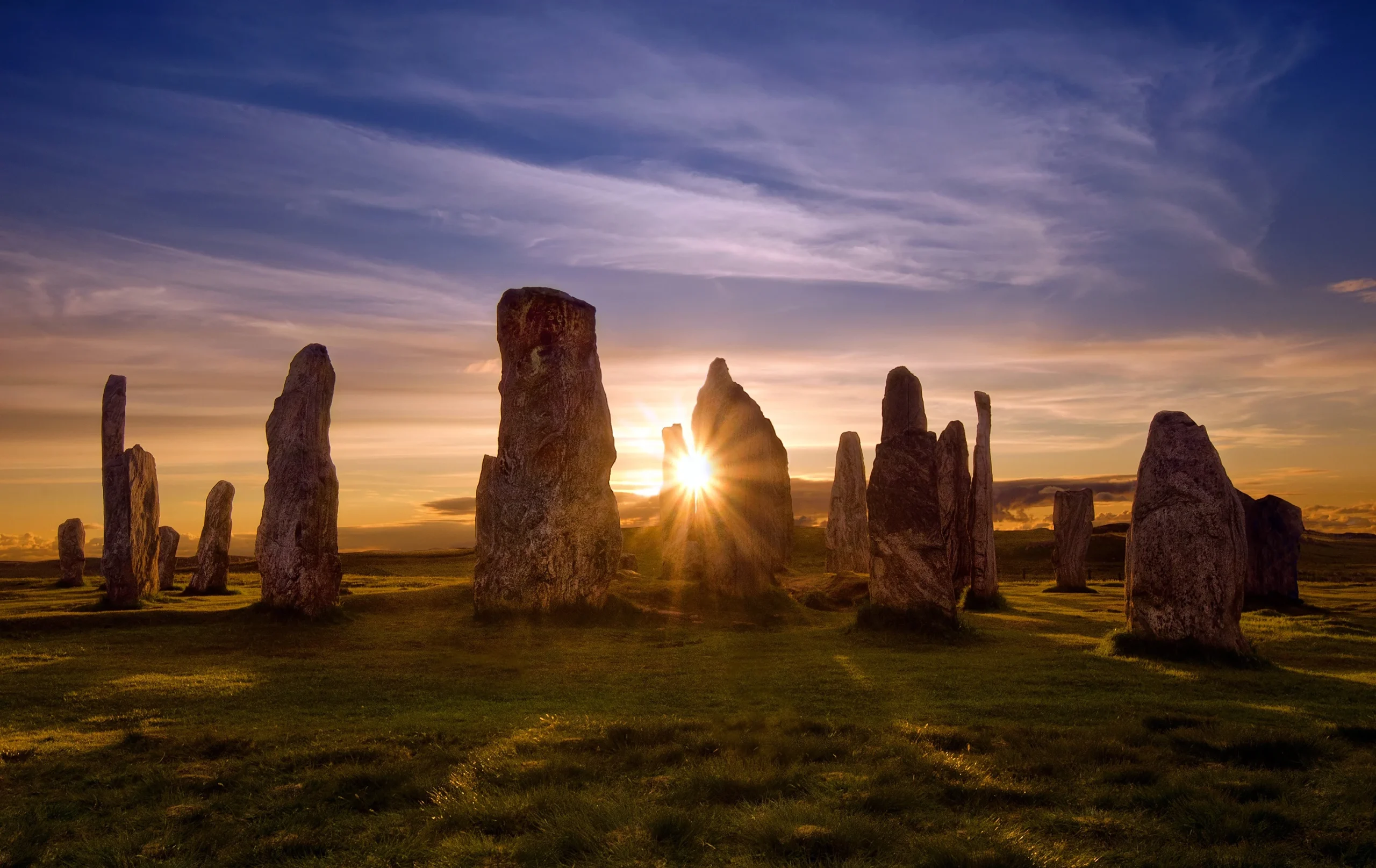
Scotland is often celebrated for its iconic landscapes, historic cities, and cultural heritage. However, beyond the well-trodden paths of Edinburgh and Glasgow, lie destinations that offer rich experiences often overlooked by the average traveler. This article endeavors to uncover these hidden gems in Scotland, providing an analytical look at what makes these locations unique and worth exploring as of 2026.
The following sections delve into the context behind these destinations, offering a comprehensive view of what the country has to offer, while also evaluating their cultural, historical, and touristic significance.
An Overview of Scotland’s Lesser-Known Treasures
Scotland’s tourism landscape is typically dominated by major attractions such as the Highlands, Loch Ness, and the Isle of Skye. Yet, many exceptional locales are often eclipsed by these popular sites, despite their potential to offer authentic cultural experiences, stunning natural beauty, and rich local history. As travel trends evolve, an increasing number of visitors seek out hidden gems that provide less commercialized, more meaningful encounters.
The appeal of these lesser-known destinations stems not only from their intrinsic beauty but also from their capacity to reflect the diverse tapestry of Scottish culture. Places that remain relatively untouched by mass tourism can provide visitors with a more genuine understanding of Scotland’s heritage, while encouraging local economies and preserving cultural identities.
A Closer Look at Selected Hidden Gems
The following section will provide detailed information on several hidden gems across Scotland, analyzing their unique features and the reasons they merit attention.
1. The Isle of Mull
Isle of Mull, located off the west coast of Scotland, offers a mix of dramatic landscapes, wildlife, and quaint villages. The island is less frequented compared to its neighbor, the Isle of Skye, but boasts stunning vistas and biodiversity.
- Strategic Importance: Mull has long been a site of naval and economic importance.
- Local Culture: The island is home to a vibrant arts scene, with numerous galleries and studios showcasing local talent.
2. Dunbar
A small coastal town in East Lothian, Dunbar is known for its stunning coastline, rich history, and proximity to Edinburgh. It offers a compact yet diverse experience ranging from historical sites to outdoor activities.
- Historical Significance: Known for its medieval castle and geological heritage.
- Outdoor Activities: Offers great opportunities for water sports, hiking, and nature walking.
3. The Galloway Forest Park
This park is one of the least populated and most pristine areas in Scotland, featuring vast forests, hills, and starry skies. It appeals to nature lovers and adventure seekers alike.
- Environmental Significance: The park is designated as one of the UK’s first ‘Dark Sky Parks’.
- Adventure Opportunities: Offers a variety of trails for hiking and cycling, alongside pristine areas for camping and stargazing.
4. Plockton
Nestled on the shores of Loch Carron, Plockton is renowned for its picturesque setting and scenic views. The village is characterized by its charming cottages and palm trees, a rare sight in Scotland.
- Fishing Heritage: Once a vibrant fishing community, today it offers various seafood restaurants and boat excursions.
- Artistic Appeal: Regularly attracts artists and photographers due to its stunning scenery and light conditions.
Comparative Analysis of Lesser-Known Destinations
To fully appreciate the unique attributes of these hidden gems, a comparative breakdown is essential. The following table illustrates various metrics related to facilities, accessibility, and local attractions.
| Destination | Unique Features | Accessibility Rating | Local Attractions |
|---|---|---|---|
| Isle of Mull | Wildlife, Arts | Moderate | Mull Aquarium, Tobermory |
| Dunbar | Historical Sites, Coastal Experiences | High | Dunbar Castle, East Beach |
| Galloway Forest Park | Dark Sky, Nature Trails | Low | Stargazing, Wildlife Watching |
| Plockton | Coastal Scenery, Cultural Arts | High | Boat Tours, Local Galleries |
The comparative analysis highlights how each destination offers distinct advantages and experiences. For example, while the Isle of Mull may be more challenging to access, its unique wildlife and artistic community set it apart. In contrast, Dunbar stands out for its easy accessibility and rich historical narrative.
In-depth Examination of Attractions and Activities
Delving deeper into each location leads to a greater understanding of what visitors can expect in terms of attractions and activities.
Scenic Landscapes and Nature Observations
Nature serves as a continuous thread tying together these hidden gems. The rich biodiversity offers opportunities for both casual observers and dedicated wildlife enthusiasts. For instance:
- On the Isle of Mull, birdwatchers may spot golden eagles and puffins.
- Galloway Forest Park’s dark sky allows amateur astronomers to observe meteor showers and celestial phenomena.
Historical and Cultural Significance
Each location is steeped in history and cultural relevance, often showcased through local festivals, museums, and artisans. Dunbar’s historical significance is particularly notable with its well-preserved medieval structures and annual events celebrating its heritage.
Community and Local Economy
Supporting these hidden gems provides an opportunity to contribute to local economies. Many of these locations rely heavily on tourism to sustain their communities, which emphasizes the importance of responsible travel practices.
Research Methodology: How the Analysis Was Conducted
This article’s findings are based on a multi-faceted research approach that combines qualitative and quantitative methodologies. The research process involved:
- Field Research: Visits to the mentioned locations were conducted to capture first-hand data on attractions and amenities.
- Survey Distribution: Questionnaires were distributed to local businesses and visitors to gauge perceptions and experiences.
- Literature Review: Academic articles, travel blogs, and government tourism reports were reviewed to support the analysis.
This diverse approach ensures an unbiased representation of each hidden gem and its potential for tourism.
The External Influences on Tourism and Local Growth
Understanding the broader context in which these hidden gems exist raises several important points regarding sustainable tourism and community development.
Regulatory Framework
National and local governments play a significant role in regulating tourism. Policies aimed at balancing the influx of tourists while protecting local cultures and environments are critical. For instance, initiatives to limit access to sensitive environmental areas can sometimes lead to voluntary conservation efforts by the local community.
Market Trends
The rise of the “slow travel” movement indicates a shift in consumer preferences as visitors increasingly seek immersive experiences over superficial sightseeing. This trend could benefit these hidden gems, allowing them to flourish while preserving their unique character.
Evaluating Challenges and Risks Associated with Hidden Gems
While exploring various hidden destinations presents numerous advantages, there are inherent challenges and risks that must be acknowledged.
Infrastructure Limitations
Many of these destinations may lack the necessary infrastructure to fully accommodate an influx of visitors. Inadequate transportation options or limited accommodation may pose barriers for tourists and stress local resources.
Environmental Impacts
Increased tourism can lead to environmental degradation, particularly in natural areas where ecosystems may be fragile. As such, measures must be implemented to mitigate these effects, ensuring that the natural beauty of these hidden gems is preserved for future generations.
Cultural Preservation Concerns
As tourism grows, there is a risk of diminishing cultural practices as communities become increasingly commercialized. It becomes essential for all stakeholders to ensure that local identities and histories are respected and retained.
Building Trust and Transparency to Foster Sustainable Tourism
Establishing trust and transparency is vital for the long-term sustainability of tourism in these hidden gems. Communication between local communities and visitors should be encouraged to facilitate meaningful interactions.
Community Initiatives
Programs focused on promoting local crafts, foods, and traditions can create a sense of pride while helping local communities retain their unique characteristics.
Visitor Guidelines and Awareness Campaigns
It is essential to develop clear guidelines for visitors which outline how they can contribute positively to the community and environment. Educational campaigns that raise awareness about responsible tourism can help cultivate respectful relationships between visitors and locals.
The hidden gems of Scotland present exciting opportunities for discovery while also challenging communities to navigate the complexities of sustainable tourism. As the travel landscape continues to evolve, understanding and appreciating these lesser-known destinations will prove essential in creating enriching experiences for travelers, while also aiding local economies and preserving cultural heritage.
Considering the developments anticipated through 2026 and beyond, these locations stand as testaments to Scotland’s diverse offerings, blending history, nature, and culture into authentic and memorable experiences.