
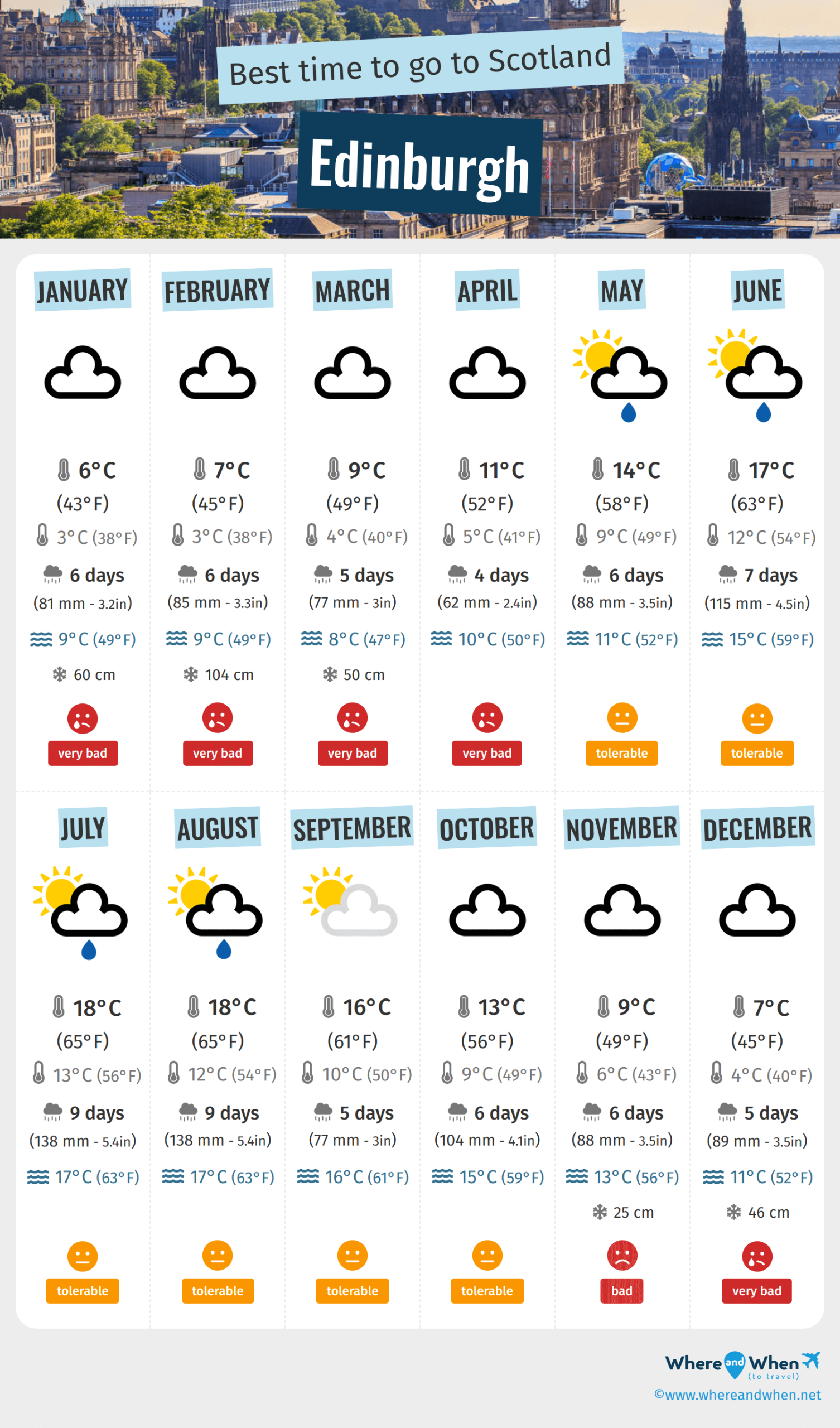
Edinburgh, the capital city of Scotland, offers a rich tapestry of history, architecture, and cultural experiences that draw millions of visitors each year. Determining the best month to visit this scenic city is a nuanced question influenced by various factors, including weather conditions, cultural events, and personal preferences. To navigate this multifaceted decision, it is essential to consider seasonal variations, local festivities, and the overall tourism environment in 2026.
Historical Context and Visitor Trends
Understanding Edinburgh’s historical significance and visitor interest over the years provides valuable context for determining the optimal month for travel. Over centuries, the city has evolved into a cultural hub, renowned for its festivals, historical landmarks, and vibrant atmosphere. The combination of Edinburgh’s medieval Old Town and the neoclassical New Town has resulted in its designation as a UNESCO World Heritage Site. This historical context ties into Old Town and New Town: Preserving Edinburgh’s UNESCO Heritage.
Tourism data illustrates fluctuating visitor trends throughout the year, with peaks during the summer months when festivals and warm weather attract larger crowds. In contrast, winter often sees a drop in tourism, aside from the festive events around Christmas and New Year’s.
Visitor Statistics and Seasonal Patterns
To understand these trends in-depth, it is vital to look at seasonal visitor statistics. The following table encapsulates annual tourist numbers and the corresponding seasonal distribution.
| Month | Estimated Visitors (Thousands) | Average Temperature (°C) | Major Events |
|---|---|---|---|
| January | 50 | 3 | New Year Celebrations |
| April | 70 | 9 | Edinburgh Science Festival |
| July | 150 | 16 | Edinburgh Festival Fringe |
| October | 60 | 10 | Edinburgh International Book Festival |
| December | 80 | 5 | Christmas Markets |
The data illustrates that July stands out as the most popular month for tourism, while other months like January and October display moderate visitor interest due to specific events.
Evaluating Seasonal Weather Patterns
Weather conditions play a pivotal role in enhancing or detracting from the overall travel experience. Edinburgh’s climate is classified as oceanic, characterized by relatively warm summers and cool winters, but with a significant amount of rainfall throughout the year.
Monthly Weather Breakdown
Understanding temperature averages and precipitation levels by month allows potential travelers to make informed decisions. The table below summarizes these weather characteristics.
| Month | Average Rainfall (mm) | Average Daylight Hours | Season |
|---|---|---|---|
| January | 50 | 7 | Winter |
| April | 40 | 13 | Spring |
| July | 70 | 17 | Summer |
| October | 60 | 11 | Autumn |
| December | 60 | 7 | Winter |
The comparison of data reveals that while summer offers the warmest and longest days, spring can also present mild conditions with fewer tourists, making it an attractive option for some visitors.
Major Festivals and Events: Timing Your Visit
Cultural festivals are at the heart of Edinburgh’s tourism appeal. These events not only attract large numbers of visitors but also foster a unique atmosphere, making specific months particularly favorable for those seeking cultural immersion. The significance of events can also be explored further through Edinburgh Festivals 2026: Fringe, International, and Book Festival.
Highlighted Events Throughout the Year
The following overview outlines major events, offering insights into the vibrancy of each month.
| Month | Event Name | Description |
|---|---|---|
| January | Hogmanay | New Year’s celebrations featuring concerts and fireworks. |
| August | Edinburgh Festival Fringe | The world’s largest arts festival with thousands of performances. |
| September | Edinburgh International Festival | A celebration of music, theatre, and dance. |
| October | Edinburgh International Book Festival | An annual gathering celebrating literature and authors. |
| December | Edinburgh Christmas Market | Festive market featuring crafts, food, and entertainment. |
These events illustrate that while summer holds the prestigious Edinburgh Festival Fringe, other months host significant cultural festivals worthy of consideration.
Analyzing the Economic Impact of Seasonal Decisions
Deciding when to visit Edinburgh can have economic implications, not just for travelers but also for the local economy. The benefits of increased party numbers during festivals often boost local businesses.
Effects on Local Businesses
Different months show varying levels of economic contributions from tourism.
| Month | Estimated Economic Contribution (£M) | Main Sectors Benefited |
|---|---|---|
| July | 40 | Hospitality, Retail |
| October | 15 | Tourism, Culture |
| December | 25 | Retail, Food Services |
This data shows that peak months, particularly in summer, not only offer rich visitor experiences but also provide substantial economic benefits to the city.
Evaluating Personal Preferences and Expectations
When determining the best month to visit, it is essential to recognize the personal preferences and expectations of diverse travelers. Factors like budget, crowd tolerance, and interest in cultural events can heavily influence the experience.
Traveler Profiles and Expectations
Understanding various traveler motivations enhances the analysis of the ideal travel month. Some profiles might prioritize cultural immersion, while others focus on leisurely exploration or outdoor activities.
| Traveler Type | Primary Focus | Best Month |
|---|---|---|
| Cultural Enthusiast | Arts and Festivals | August |
| Nature Lover | Scenic Exploration | April |
| Family Vacationer | Family-friendly activities | December |
This segmentation reveals that aligning personal choices with seasonal attributes is crucial to attaining a fulfilling travel experience.
Understanding the Broader Context of Travel Regulations
In 2026, travel regulations and the broader socio-political landscape will significantly affect tourism dynamics. Staying informed about local guidelines, health regulations, and international travel conditions is essential.
Current and Future Regulatory Considerations
Potential travelers should remain aware of existing regulations, including health and safety protocols, visa requirements, and other travel mandates that may vary throughout the year.
These factors are crucial in shaping the decisions of many travelers, especially as global travel norms evolve.
Framework for Practical Decision-Making
Utilizing the gathered information can aid potential visitors in making informed choices about when to visit Edinburgh. Key considerations include weather conditions, festival schedules, and personal interests.
| Criterion | Description | Importance Rating (1-5) |
|---|---|---|
| Weather | Temperature and rainfall influence activities and comfort. | 5 |
| Cultural Events | Determine the vibrancy and experience of the visit. | 4 |
| Crowd Size | Impact on experiences and accessibility. | 3 |
| Cost | Varies by season, influencing budget planning. | 3 |
By prioritizing these criteria based on personal preferences, travelers can create a tailored experience that meets their expectations.
Assessing Risks, Limitations, and Trade-Offs
Understanding the trade-offs between different months is vital for informed decision-making. Each season presents unique challenges that could affect a travel plan.
Potential Drawbacks by Month
A risk assessment for various months can guide travelers in preparing for possible inconveniences, encapsulated in the following table.
| Month | Potential Challenges | Mitigation Strategies |
|---|---|---|
| January | Cold weather and limited daylight | Dress appropriately and plan indoor activities |
| August | Overcrowding and high prices | Book accommodations in advance |
| October | Unpredictable weather | Bring layers and a waterproof jacket |
Awareness of these challenges equips travelers to navigate potential setbacks effectively.
Establishing Trust and Transparency
In the travel industry, establishing trust is vital for making informed decisions. Users should assess multiple sources of information to corroborate and validate various insights.
Visitors are encouraged to consider reviews, governmental advisory notices, and local news. Relying on comprehensive data ensures a more rewarding experience.
As the varying aspects of travel timing converge—cultural events, weather conditions, personal preferences, and external regulations—potential visitors to Edinburgh will have ample information to determine the optimal month for their visit. The depth and diversity of this analysis aim not only to identify the best month but also to equip travelers with the necessary tools for a fulfilling journey in this historic city.