
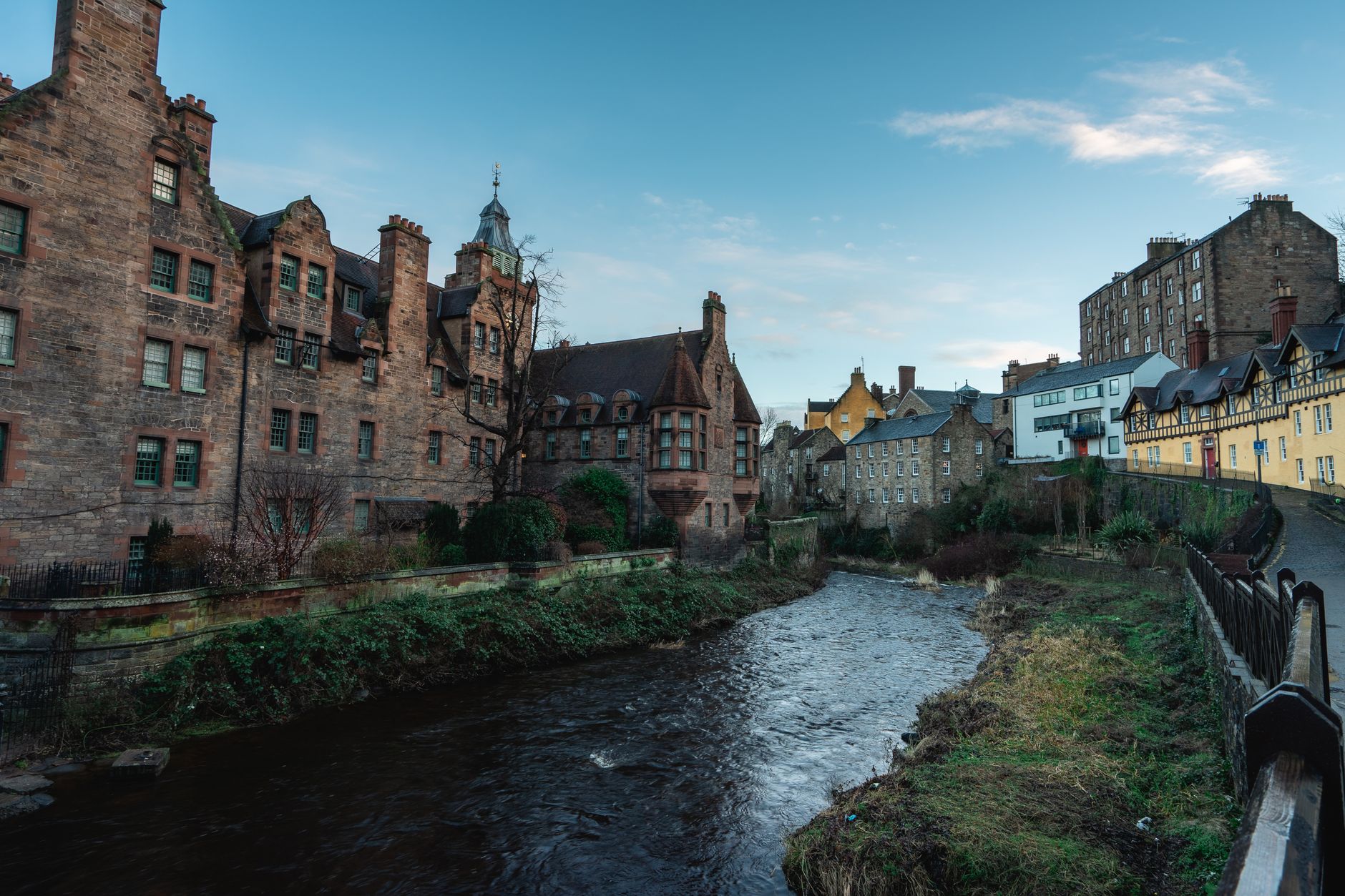
Leith sits on Edinburgh’s northern waterfront, a neighbourhood that blends centuries of maritime heritage with a thriving contemporary culture. Once an independent burgh before joining Edinburgh in 1920, this former industrial port has undergone remarkable regeneration to become one of the capital’s most dynamic destinations. For visitors, Leith offers something distinctly different from the Royal Mile and Old Town: waterfront walks, award-winning restaurants, independent galleries, and one of Scotland’s most visited attractions.
The neighbourhood’s identity remains shaped by its maritime past. Where cargo ships once unloaded wool, wine, and spices in the 18th century, locals and visitors now stroll cobbled quaysides lined with trendy restaurants and curio shops. This transformation didn’t happen overnight – Leith experienced decades of industrial decline after World War II before beginning its revival in the 1990s. Understanding this journey from working port to cultural hub helps explain why Leith has such a distinctive character within Edinburgh.
Whether you’re visiting for a few hours or exploring the neighbourhood thoroughly, Leith works well as part of any Edinburgh itinerary. You can reach it easily by tram or bus from the city centre, and the waterfront is compact enough to explore on foot, though the full neighbourhood extends well beyond the Shore.
A Maritime History Spanning Centuries
Leith’s story as a port stretches back further than many visitors expect. The original harbour dates back to the 14th century, when the area became the gateway for Edinburgh’s trade with the wider world. By the 18th century, Leith had become Scotland’s main trading port, with vessels carrying wool, wine, raw materials, and spices in and out of the busy docks.
The 19th century brought further prosperity. Beyond general trade, Leith became renowned for whaling operations, with ships sailing north to Arctic waters around Greenland for whale oil – a critical commodity for industrial and domestic use. The port also developed significant shipbuilding and ship repair industries, with elaborate dock infrastructure built to accommodate the growing maritime traffic. Several phases of harbour development created interconnected quays with moving bridges, such as the Victoria Swing Bridge, built in 1874.
The 20th century brought dramatic change. After World War II, as shipping patterns shifted and traditional industries declined, Leith experienced economic hardship. The closure of the Henry Robb shipyards in 1984 marked the end of an era. For several decades, this historic port fell into industrial decay. The neighbourhood’s struggles during the 1980s and early 1990s became infamously depicted in Irvine Welsh’s novel Trainspotting (1993), which portrayed Leith during its roughest period.
Today’s Leith would be barely recognisable to those characters. Since the 1990s, major regeneration projects have transformed derelict waterfront areas into vibrant residential and commercial spaces. The arrival of the Royal Yacht Britannia in 1998, the Ocean Terminal shopping complex, and Victoria Quay (now the Scottish Government offices) signalled a new direction. The neighbourhood has continued to evolve, with new restaurants, distilleries, galleries, and cultural venues establishing Leith as somewhere worth visiting in its own right rather than simply passing through on the way to the castle.
Getting Around Leith
Leith is highly accessible from Edinburgh’s city centre, making it easy to visit as part of a day exploring different neighbourhoods.
By Tram
The Edinburgh Tram offers the most direct route from the city centre. Trams run from Edinburgh Airport through Princes Street and continue via Leith Walk, the Shore, and Ocean Terminal to Newhaven. The journey from central Edinburgh takes around 10 minutes, with trams running every 7 minutes throughout the day and evening. This is a convenient, cashless service (requiring a contactless bank card or mobile payment).
By Bus
Several bus routes serve Leith from different parts of the city. The most popular for visitors are routes 11, 16, and 25 from Princes Street, which connect directly to Leith Walk. Routes 7, 14, and 49 also serve the neighbourhood from the Southside and Bridges area. Buses cost £1.80 per journey or £4.30 for a day ticket (also cashless only).
Walking from the City Centre
Leith Walk is a mile-long street linking the neighbourhood with Princes Street. While it involves some hills, the walk downhill from the city centre to the Shore takes approximately 30 minutes – a pleasant route that passes many of Leith’s shops, restaurants, galleries, and cafés.
The Shore and Waterfront
The Shore is the neighbourhood’s most vibrant area and where most first-time visitors start exploring. Built around the mouth of the Water of Leith as it flows into the Firth of Forth, this historic dockland has been transformed into Edinburgh’s most characterful waterfront destination.
The cobblestone quayside is lined with restaurants, bars, and cafés with outdoor seating along the water. The area works particularly well on mild days when waterfront tables are available, though the atmospheric riverside venues are equally welcoming in winter. Along Commercial Quay and The Shore itself, seafood restaurants take advantage of the neighbourhood’s maritime location – fresh fish features prominently on many menus.
Walking along the Shore, you’ll notice several heritage landmarks that tell Leith’s story. The Signal Tower, built in 1686 by Robert Mylne as a windmill and converted to a signal tower in 1805, stands at the corner of The Shore and Tower Street. From this tower, flags were displayed to alert ships of water depth at the harbour bar. Across the road stands the former Sailor’s Home, a boarding facility for visiting and homeless sailors established in 1883. These buildings, along with preserved structures like the Scottish Merchant Navy Memorial (unveiled in 2010), connect the present-day experience to Leith’s working-port heritage.
The Water of Leith Walkway extends beyond the Shore, offering a scenic 12.25-mile pathway for pedestrians and cyclists that follows the river inland toward the city. This works well for those wanting to escape the waterfront bustle and experience Leith from a different perspective.
Dining and Drinking in Leith
Leith has become Edinburgh’s premier destination for innovative and varied dining. The neighbourhood now hosts several of Scotland’s finest restaurants alongside casual cafés, gastropubs, and craft beer venues.
Fine Dining
The Kitchin and Restaurant Martin Wishart are Leith’s flagship restaurants, both serving fresh Scottish produce with French influences. The Kitchin emphasises nature-to-plate cooking with hand-dived Orkney scallops and other seasonal Scottish ingredients. Martin Wishart offers similarly exceptional menus highlighting Orkney scallops and game. Both are located near the waterfront and represent the quality of dining now available in the neighbourhood.
Other Michelin-recognised establishments include Heron, which adds to Leith’s reputation as a serious food destination where restaurants continue to open with distinctive menus and bold approaches to Scottish and international cuisine.
Waterfront Dining and Casual Options
Beyond fine dining, The Shore and waterfront areas offer numerous options for different budgets and occasions. Teuchter’s Landing and Nobles Bar and Restaurant are established favourites with good food and atmosphere. Pierino’s offers excellent fish and chips for seaside dining. The Lighthouse Restaurant aboard the Fingal floating hotel provides a unique setting for breakfast, afternoon tea, or dinner with views over the water.
For caffeine and sweet treats, Artisan Roast, Relish, and Krema Bakehouse are popular stops. Roseleaf, an eccentric pub near the Shore, combines traditional charm with contemporary edge.
Breweries and Bars
Leith’s craft beer scene is substantial. The Campervan Brewery Tap Room offers a wide range of craft beers, while The Lioness of Leith combines chic artwork with a cocktail menu. The Leith Brewery Taproom Trail is a walking tour through the neighbourhood’s historic brewing quarter, stopping at venues to sample local beers and ales.
Major Attractions Worth Visiting
The Royal Yacht Britannia
The Royal Yacht Britannia is Leith’s most famous attraction and one of Scotland’s most visited sites. This former royal yacht served the British Royal Family as a floating holiday home from 1954 until her decommissioning in 1997. She is now permanently moored at Ocean Terminal and operates as a five-star visitor attraction.
Visitors explore five decks at their own pace using an audio guide available in multiple languages. The tour reveals the state apartments, crew’s quarters, the engine room, and the Queen’s private quarters – providing insight into how the royal household functioned aboard the 412-foot vessel. A highlight for many is discovering the specially built garage on deck that housed a Rolls-Royce used during royal visits. The Royal Deck Tearoom aboard offers refreshments with waterfront views.
The Britannia sailed over a million nautical miles during service and visited approximately 600 ports in 135 countries. The yacht hosted numerous world leaders and dignitaries and played a role in major historical moments, including bringing Prince Charles and the last British Governor of Hong Kong home after the 1997 handover ceremony.
Port of Leith Distillery
Opened in October 2023, this nine-storey distillery is impossible to miss as it towers prominently over Leith. This is the UK’s first vertical distillery, designed to maximise production on a small plot of land. Visitors can take distillery tours or visit the top-floor bar for whiskey tasting and light food including smoked mackerel pâté. The distillery has become an iconic addition to the neighbourhood’s skyline.
Lind and Lime Gin Distillery
Located nearby, Lind and Lime offers a behind-the-scenes look at gin distillation. The team guides visitors through their production process, making this a worthwhile stop for gin enthusiasts exploring Leith’s growing distillery scene.
The Biscuit Factory
Housed in the former Crawford’s biscuit factory, this arts and fashion hub hosts galleries, pop-up exhibitions, and makers’ markets. It exemplifies Leith’s creative regeneration – transforming an industrial building into a cultural venue that showcases local talent and independent makers.
Ocean Terminal Shopping Centre
Built on former industrial docklands, Ocean Terminal combines shopping, dining, cinema, and gym facilities. Beyond commercial services, it serves as the boarding point for visitors accessing the Royal Yacht Britannia and provides views over Leith’s harbour and waterfront.
Leith Links
This green space near the Shore is believed to be the birthplace of golf, with the first international golf contest reportedly held here. Today it functions as a public park popular for picnics and leisure, offering a counterpoint to the waterfront’s busier commercial areas.
Galleries, Markets, and Cultural Events
Beyond major attractions, Leith supports a thriving creative community with galleries, independent shops, and regular events throughout the year.
The community-run Leith Festival typically takes place in June, featuring a Gala Day, Pageant on Leith Links, and events across the neighbourhood. LeithLate arts happenings and makers’ markets at The Biscuit Factory occur regularly, providing opportunities to discover local artists and designers. The Edinburgh International and Fringe festivals in August often schedule performances in Leith venues, adding to the cultural calendar.
Waterfront brick warehouses have been converted into art galleries and studios, aligning with Leith’s reinvention as a creative hub. Trinity House, one of Leith’s oldest buildings, opens to visitors on Friday afternoons during summer months by advance booking, offering a glimpse of the neighbourhood’s architectural heritage.
Leith’s Distinctive Character
What makes Leith feel different from Edinburgh’s other neighbourhoods is its strong independent identity. Locals fiercely opposed the 1920 merger with Edinburgh, and that distinct character remains central to Leith today. The neighbourhood still retains what one local source describes as rough edges – historic tenement housing and social housing sit alongside new developments – but this authenticity is part of its appeal rather than a drawback.
The community here has a reputation for supporting small businesses and maintaining character against gentrification pressures. Leith was ranked 16th among the world’s coolest neighbourhoods by Time Out in 2023, a recognition that reflects both its creative energy and its refusal to become a homogenised tourist destination.
Walking along Leith Walk, the mile-long connection to the city centre, you encounter this mix immediately – eclectic independent shops, galleries, cafés, and restaurants line the street. The walkway itself has a history dating to the 15th century, initially a rough pathway that evolved through various phases of development. By 1810, it was re-laid as a splendid causeway connecting the port with Edinburgh’s expanding city centre.
When to Visit Leith
Leith is enjoyable year-round, though different seasons offer different experiences. Late spring through early autumn brings milder weather and the best opportunity for waterside dining with outdoor seating. August, when Edinburgh hosts its world-famous International and Fringe festivals, brings heightened cultural activity to Leith venues alongside the broader city celebrations – though accommodation and restaurants are busier during this period.
Winter can be breezy on the waterfront, but the neighbourhood’s pubs, galleries, and restaurants make it a fine cold-weather urban break. Clear frosty mornings along the dock basins are particularly atmospheric, offering a different perspective on the waterfront than summer sunshine.
Frequently Asked Questions
How long should I spend in Leith?
A visit to the Royal Yacht Britannia alone takes 2-3 hours depending on your pace with the audio guide. If you’re exploring the Shore, dining, browsing galleries, and taking time for waterfront walks, plan half a day minimum. A full day allows you to experience Leith more thoroughly, including Leith Walk, the distilleries, and different neighbourhoods within the broader area.
Is Leith safe for visitors?
Yes. While Leith has a complex recent history, the waterfront and main visitor areas are well-maintained, busy with both locals and visitors, and safe to explore. The neighbourhood has genuine community spirit, and visitors are welcomed.
Can I walk the whole of Leith?
The waterfront and Shore are very walkable on foot. Walking from the city centre via Leith Walk takes 30 minutes and involves hills. Leith Walk itself is worth experiencing as you descend toward the water. Beyond the Shore, different neighbourhoods extend northward, and buses or the tram work well for exploring these areas if you don’t want to walk extensively.
What’s the best way to see the Royal Yacht Britannia?
Go early in the day if possible to avoid crowds, especially during Edinburgh’s festival season in August. The audio guide is well-done and self-paced, so you can linger on decks or sections that interest you. Allow 2-3 hours total including the tearoom if you want to sit down. The Royal Deck Tearoom is a pleasant spot for refreshments with views over the harbour.
Are there family-friendly options in Leith?
Yes. The Royal Yacht Britannia has a junior audio guide and is suitable for families with children. Leith Links offers open green space for picnics and play. Many Shore restaurants and cafés welcome families, and the waterfront walk is accessible for buggies. Ocean Terminal has family facilities including cinema and play areas.
What’s the best time of year for outdoor dining?
May to September offers the most reliable weather for waterside outdoor seating, with July and August being the warmest months. However, atmospheric clear mornings and evenings during winter and early spring have their own appeal, especially for photography and experiencing a quieter Leith.
Why Leith Matters in Today’s Edinburgh
Leith represents a particular kind of urban success story – not the sanitised, tourist-focused regeneration of some heritage areas, but a genuine neighbourhood where history informs the present without overwhelming it. The arrival of the tram connection to the airport, the development of craft distilleries, the continued growth of the restaurant scene, and the ongoing investment in cultural venues all signal that Leith’s transformation is ongoing rather than complete.
For visitors, Leith offers something distinct within Edinburgh’s neighbourhoods. It’s accessible enough to visit easily from the city centre, compelling enough to spend several hours exploring, and characterful enough to feel like a genuine neighbourhood rather than a museum display of history. Whether you visit for the Royal Yacht Britannia, the food scene, the galleries, or simply to experience one of the capital’s most interesting areas in transition, Leith rewards attention and makes a memorable part of any Edinburgh visit.