
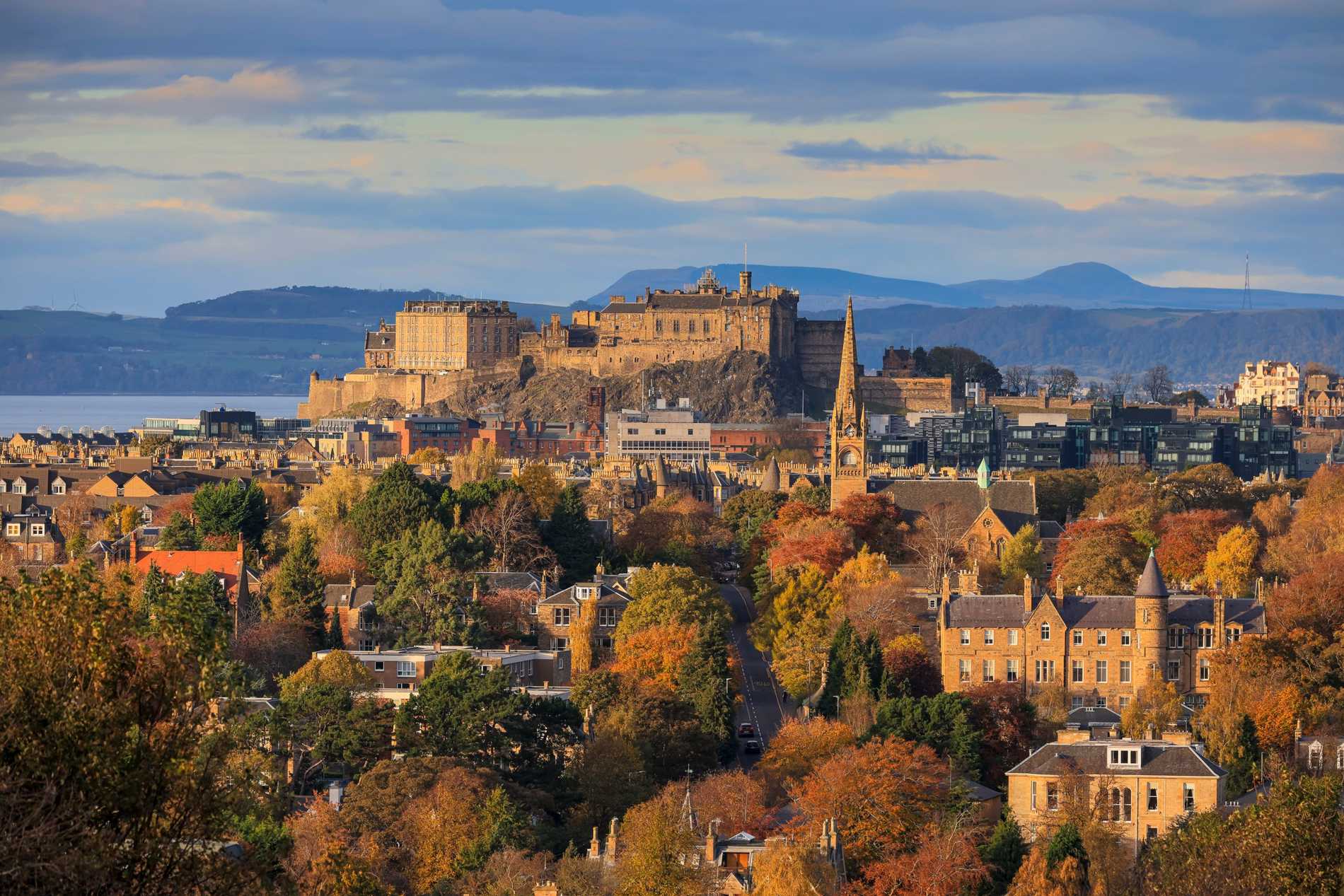
Edinburgh, the capital city of Scotland, is steeped in rich history and culture, boasting a unique blend of architectural grandeur, green spaces, and historical significance. With stunning landmarks and attractions, the city draws millions of visitors each year, eager to explore its storied past and vibrant present. This post delves into what makes Edinburgh famous, along with a detailed look at its most iconic landmarks and sites.
What It Is
Edinburgh is known for its unique duality: the medieval Old Town and the elegant Georgian New Town. Each area offers a wealth of attractions and landmarks that reflect the city’s rich history. Renowned for its festivals, Edinburgh is often referred to as the “Festival City,” hosting events such as the Edinburgh International Festival and the Edinburgh Festival Fringe. Additionally, Edinburgh is also recognised as a UNESCO World Heritage Site, further highlighting its cultural and historical significance. For more insights on this UNESCO designation, check out our post on Old Town and New Town: Preserving Edinburgh’s UNESCO Heritage.
Definitions
To fully appreciate what Edinburgh has to offer, it is important to understand some terms related to its landmarks:
- Old Town: The older part of the city, characterised by its narrow alleys and cobblestone streets.
- New Town: A planned area built in the 18th century, known for its neoclassical architecture and spacious green squares.
- Historical Landmarks: Sites of historical significance, such as castles, palaces, and monuments.
How It Works / Mechanism
Edinburgh’s rich tapestry of history and culture manifests through its many landmarks. These sites serve as vital links to the city’s past and demonstrate its evolution over centuries. Each landmark tells a story, showcasing various aspects of Scottish history, from monarchy to art and culture.
For instance, Edinburgh Castle, perched on Castle Rock, serves not only as a key tourist attraction but also as a symbol of Scotland’s enduring heritage. The castle played a pivotal role in numerous historical events, including the Wars of Scottish Independence. You can learn more about this iconic site in our dedicated post, Edinburgh Castle: From Royal Residence to Iconic Landmark.
Famous Landmarks in Edinburgh
To provide a comprehensive overview of what makes Edinburgh so remarkable, let us take a closer look at some of its most famous landmarks. These sites represent the essence of the city and contribute significantly to its charm.
| Landmark | Description |
|---|---|
| Edinburgh Castle | A historic fortress that dominates the skyline of Edinburgh and is home to the Honours of Scotland. |
| Holyrood Palace | The official residence of the British monarch in Scotland, recognised for its beautiful gardens and rich history. |
| Scott Monument | A Victorian Gothic monument dedicated to Scottish author Sir Walter Scott. |
| The Balmoral Hotel | A luxurious hotel known for its iconic clock tower and stunning views of the city. |
| Calton Hill | Famous for its monuments, including the National Monument of Scotland and the Nelson Monument, offering panoramic views of the city. |
| Forth Bridges | A UNESCO World Heritage Site comprising the Forth Rail Bridge and the Forth Road Bridge, showcasing engineering brilliance. |
Each of these landmarks plays a vital role in defining Edinburgh’s character.
Analysis
Edinburgh’s landmarks are not merely structures; they are narratives that weave the rich history of Scotland. For example, Edinburgh Castle stands testament to the power struggles that shaped the nation. Its position atop Castle Rock, which has been a fortified site since at least the Iron Age, signifies the military importance held by this fortress for centuries.
Conversely, the elegance of Holyrood Palace, with its magnificent gardens and royal history, highlights the cultural attention on monarchy and its influences in Scotland. Guided tours of the palace reveal its opulent interiors, making it a fascinating destination for visitors.
The Scott Monument is a notable illustration of literature’s place in Edinburgh’s identity. Its towering presence in Princes Street Gardens not only honours the legacy of Sir Walter Scott but also attracts literary enthusiasts who appreciate Scotland’s rich literary heritage. For more about Edinburgh’s literary scene, consider visiting during its renowned festivals, like the Edinburgh Festivals 2026.
Furthermore, Calton Hill, with its panoramic views encompassing the entire city, provides not just a scenic escape from the hustle and bustle but also reflects Edinburgh’s blend of nature and architecture.
Warnings / Signs
While exploring Edinburgh’s famous landmarks, visitors should remain aware of certain considerations:
- Weather Changes: The weather in Edinburgh can be unpredictable. Visitors should check forecasts and dress in layers to stay comfortable while touring outdoor sites.
- Crowds: Popular tourist spots can get very crowded, particularly during peak seasons. Booking tickets in advance for places like Edinburgh Castle and Holyrood Palace can save time.
- Respect Regulations: Many landmarks have specific regulations regarding photography and conduct. Visitors should be mindful of these rules to preserve the sanctity of these historical sites.
Who is Affected / Audience
Edinburgh’s landmarks and cultural offerings cater to diverse audiences, making it an attractive destination for many types of visitors.
- Tourists: Both international and local tourists flock to Edinburgh to soak in its rich history and experience its attractions.
- Students: Many students from across the globe visit the city, particularly for its renowned universities and affiliations with literary festivals.
- Historians and Researchers: Edinburgh’s wealth of historical sites draws historians seeking to understand greater narratives of Scottish heritage.
- Art and Literary Enthusiasts: Fans of literature and art are often particularly interested in sites like the Scott Monument and the National Museum of Scotland.
Recommendations / How to Act
If you’re planning a visit to Edinburgh, consider the following recommendations to enhance your experience:
- Plan Your Itinerary: With numerous attractions to explore, it is beneficial to create a structured plan for your visit.
- Use Public Transport: Edinburgh has efficient public transportation, including buses and trams, making it easier to navigate between distant attractions.
- Take Guided Tours: Opting for guided tours can greatly enhance your understanding of the landmarks, as they often provide historical context not readily available through signage alone.
- Visit During Off-Peak Times: If possible, aim to visit popular sites early in the morning or during weekdays to avoid large crowds.
Conclusion
With its impressive array of landmarks steeped in history, Edinburgh stands out as a destination that embodies both the ancient and the modern. From the magnificent Edinburgh Castle to the serene views from Calton Hill, each site contributes its unique story to the city’s rich tapestry. Visitors are encouraged to explore these sites, embrace the historical narratives, and take the time to appreciate the culture that defines Edinburgh. While planning your itinerary, remember that flexibility, respect for local customs, and an enthusiastic spirit of exploration are key to making the most of your visit to this iconic city.