
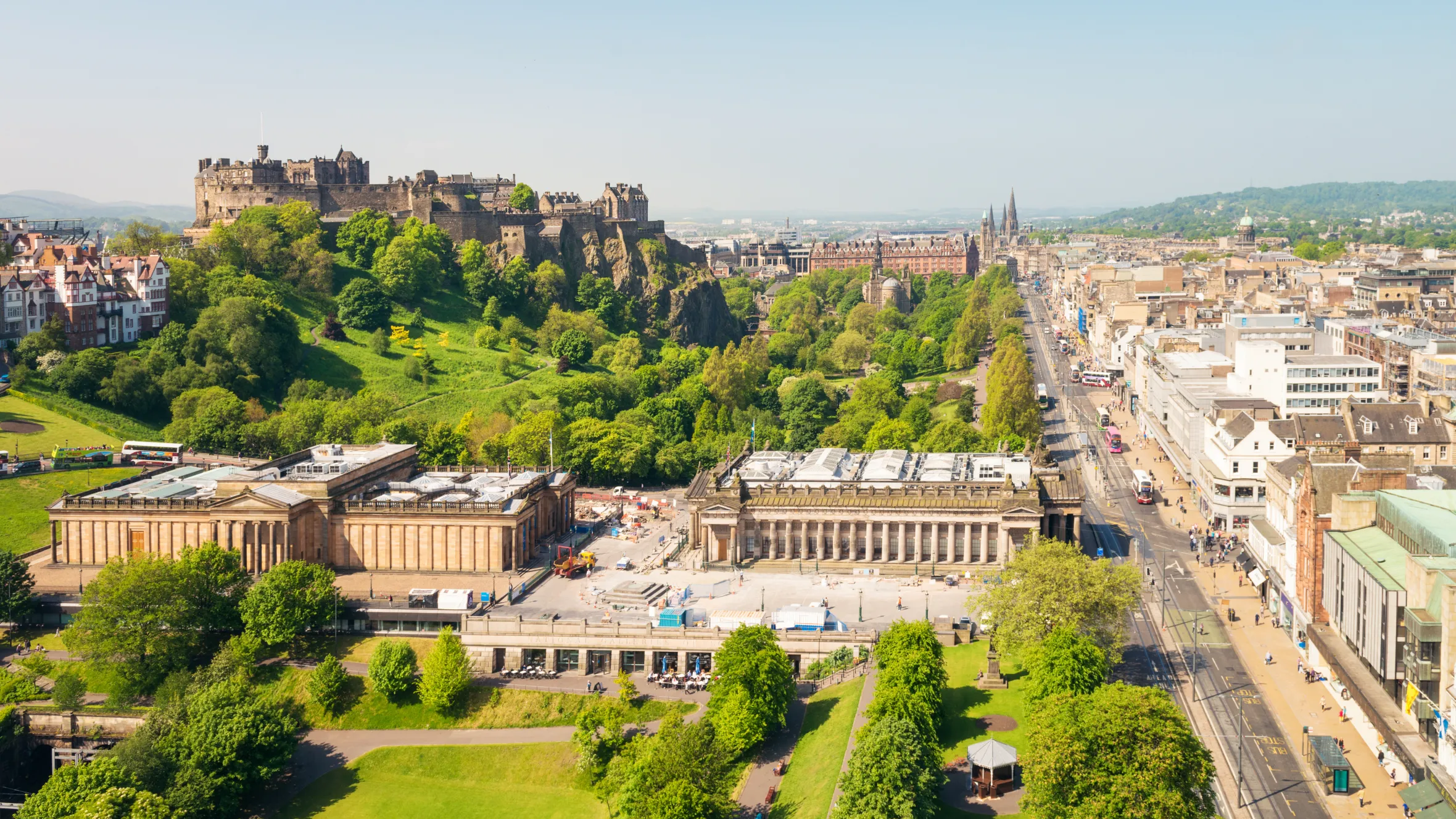
Visiting Edinburgh in 2026 often raises questions about the overall cost. As a city known for its rich history, stunning architecture, and vibrant culture, it attracts millions of tourists each year. However, potential visitors frequently ponder whether they will need to stretch their budgets to explore everything the city has to offer. This article seeks to examine whether Edinburgh is expensive to visit, drawing on comprehensive data and analytical insights.
Understanding the Economic Landscape of Edinburgh
Edinburgh’s economy is multifaceted, deeply rooted in its historical significance and its modern-day standing as a hub for finance, education, and tourism. With a population of approximately 540,000, the city has a wide range of industries that contribute to its economic stability. The financial services sector in Edinburgh is one of the largest outside of London, which impacts both local living costs and prices for visitors. For a detailed understanding of living expenses, you can check our analysis of the Cost of Living in Edinburgh.
Overall, the city combines several elements that create a unique visitor experience, but these elements also contribute to the complexity of its cost structure. The interplay between supply and demand, economic conditions, inflation rates, and government policies all influence costs in various sectors, including accommodation, dining, transportation, and entertainment.
A High-Level Overview of Visitor Costs
When calculating the overall expenses of visiting Edinburgh, several key factors come into play. Accommodation prices, dining costs, transportation expenses, attraction fees, and local experiences all contribute to the financial total. A general overview of these expenses can guide potential travelers in their budget planning. For those interested in unique local products, exploring the Edinburgh Farmers’ Market may enhance the experience.
It’s imperative to note that the cost of visiting Edinburgh may differ significantly based on the season. For instance, the summer months and the festival season often see a surge in prices, while winter months may offer lower costs but at the risk of harsher weather conditions.
Accommodation Blockchain
The type of accommodation one chooses significantly impacts the overall budget. Options range from luxury hotels and boutique stays to hostels and budget-friendly rentals. Edinburgh also offers a robust Airbnb and other short-term rental market, which can be a flexible choice for groups or families.
The following table outlines various categories of accommodation and average prices as of 2026:
| Accommodation Type | Average Price per Night (£) | Typical Amenities |
|---|---|---|
| Luxury Hotels | 200-400 | Spa, Fine Dining, Central Location |
| Mid-Range Hotels | 100-200 | Breakfast Included, Free Wi-Fi |
| Budget Hotels/Hostels | 25-75 | Shared Rooms, Common Areas |
| Airbnb Rentals | 60-300 | Varies by Listing |
| Guesthouses | 50-150 | Local Flair, Breakfast Option |
This table highlights that visitors seeking luxury experiences should budget significantly more than those looking for budget accommodations. It is essential for travelers to assess their priorities, and for those considering local experiences and comfort, understanding the impact of location can be guided by insights from Old Town and New Town: Preserving Edinburgh’s UNESCO Heritage.
Eating Out: Dining Costs in Edinburgh
Dining is another crucial aspect of the Edinburgh experience. As a city rich in culinary options, the spectrum ranges from Michelin-starred restaurants to local street food vendors. Understanding the pricing spectrum can help visitors plan a more efficient budget.
The table below presents average dining costs in various categories:
| Dining Category | Average Meal Cost (£) | Typical Offerings |
|---|---|---|
| Fine Dining | 70-150 | Tasting Menus, Wine Pairing |
| Mid-Range Restaurants | 20-50 | Varied Menus, Local Cuisine |
| Casual Dining | 10-20 | Burgers, Pubs, Fast Casual |
| Street Food | 5-10 | Local Snacks, Quick Bites |
| Grocery Stores | Variable | Prepared Meals, Snacks, Essentials |
Dining choices can greatly affect overall visitation costs, and being strategic about meal planning can yield significant savings without compromising the overall experience. Visitors who opt for local eateries over tourist hotspots may find a rich tapestry of flavors at a lower price point, echoing the culinary diversity showcased in the Edinburgh Festivals 2026.
Transportation: Getting Around Edinburgh
Navigating Edinburgh is generally straightforward, thanks to its relatively compact size and efficient public transport systems. The cost of transportation can vary depending on the method chosen.
The following table summarizes the typical transportation costs within the city:
| Transport Mode | Average Cost (One Way) (£) | Additional Information |
|---|---|---|
| Bus | 1.80 | Extensive network, daily passes available |
| Tram | 2.00 | Connects key areas, easy navigation |
| Taxi | 3.00-4.00 (metered) | Higher fares during peak times |
| Bicycle Rental | 10-20 (day rate) | Eco-friendly, healthy option |
| Airport Transfer | 20-30 | Varies based on service type |
Public transport remains an economical option for tourists, while pre-arranging airport transfers may save time despite being more costly.
Detailing the Major Attractions and Their Costs
Edinburgh is renowned for its historical landmarks, museums, and cultural heritage. However, entry costs can vary significantly based on the type of attraction.
Understanding the pricing associated with Edinburgh’s major tourist spots can aid in planning an effective itinerary without going over budget. The iconic Edinburgh Castle serves as a central point for many visitors looking to immerse themselves in the city’s past.
The following list highlights key attractions along with their admission costs as of 2026, along with notable features:
- Edinburgh Castle: £20 (guided tours available)
- Holyrood Palace: £16 (audio guides offered)
- Arthur’s Seat: Free (hiking opportunities)
- National Museum of Scotland: Free (donations encouraged)
- Scotch Whisky Experience: £16 (whisky tasting)
This assortment demonstrates that visitors can develop a rich experience in Edinburgh even if they choose attractions with lower or no admission fees. Tailoring a mix of paying and free activities can yield an enriching trip without significant financial strain.
Factors Influencing Seasonal Price Variations
The cost dynamics of visiting Edinburgh fluctuate considerably with the seasons. Higher demand during peak tourist months (late spring through early fall) results in elevated prices, especially in accommodation and services. Conversely, off-peak seasons can offer substantial savings.
Potential visitors should be mindful of local festivals and events that can influence both prices and availability. For instance, the Edinburgh Festival Fringe and the Edinburgh International Festival can lead to spikes in accommodation rates. Being cognizant of these seasonal shifts is essential for budget-conscious travelers.
Availability and Location Importance
Availability of accommodations in prime areas greatly influences their pricing. For popular districts like the Old Town and New Town, travelers may face premium rates.
The table below illustrates average accommodation prices based on proximity to central attractions:
| Location | Average Price per Night (£) | Accessibility |
|---|---|---|
| Central Edinburgh | 150-350 | Easy access to sites |
| Outskirts | 50-120 | Possible public transport reliance |
| Near Major Attractions | 200-500 | High demand, best views |
| Airbnb Options (Varied) | 60-300 | Flexibility with location |
Travelers must weigh their options between location, accessibility, and overall cost when planning their trips, deciding if proximity to attractions is worth the potential premium.
Evaluating the Cost Against Other European Destinations
To provide a robust evaluation, comparing the costs of visiting Edinburgh with other notable European cities can facilitate better decision-making for potential visitors.
The following table displays cost metrics for several cities, alongside Edinburgh, providing a clearer perspective:
| City | Average Daily Cost (£) | Tourism Focus |
|---|---|---|
| Edinburgh | 150-250 | Cultural, Historical |
| London | 200-350 | Historical, Financial |
| Paris | 180-300 | Cultural, Gastronomic |
| Barcelona | 100-180 | Architectural, Entertainment |
| Berlin | 80-150 | Cultural, Historical |
This comparative analysis indicates that while Edinburgh may not be the cheapest option, it remains competitive with other prominent European cities. Travelers may find opportunities to achieve value through smart budgeting strategies.
Examining Value for Money in the Edinburgh Experience
The notion of “expensive” often hinges on the perceived value received in return. For many visitors, the combination of culture, history, and local experiences justifies the expenditure. However, individual perceptions of value can certainly vary.
In this context, Glasgow’s vibrant art scene, literary history, and outdoor activities can provide similar allure at potentially lower costs, drawing some visitors away from Edinburgh.
Tourism boards and local businesses in Edinburgh promote rich experiences, though the high demand can lead to inflated prices. Evaluating whether the unique offerings are worth the cost becomes essential for prospective travelers.
Setting a Practical Framework for Budgeting Your Trip
Planning visits to Edinburgh should involve a clear and structured approach to budgeting. Individuals can use a few key strategies to create a financial framework that aligns with their travel goals.
Establishing a budget should include consideration for fixed costs like airfare and accommodation, estimated variable costs for dining and attractions, and a buffer for unforeseen expenses.
Travelers should also categorize their spending preferences and prioritize which elements of the experience are essential versus negotiable. By having a dedicated plan, visitors can allocate funds effectively and enjoy the city’s offerings without going over budget.
Considering Potential Drawbacks and Cost Implications
Every travel experience comes with inherent risks, limitations, and trade-offs. For Edinburgh, factors such as weather unpredictability and large tourist volumes can detract from the experience, influencing costs indirectly through raised stress levels or compromised availability.
Time of year and the choice of activities (e.g., guided tours vs. self-exploration) can continue affecting overall expenditure. Opting for popular tourist activities, which may charge higher prices can reduce financial flexibility.
Ensuring Prominence of Trust and Reliability in Cost Assessment
To make informed decisions, visitors should prioritize credible sources and databases when assessing costs. Transparency concerning the methodology of cost collection and analysis is vital for understanding the broader context of prospective expenses.
Utilizing government and tourism sites, alongside unbiased travel forums, enables deeper insight into realistic expectations and pricing structures, fostering trust in the results gathered.
By combining established metrics with ongoing evaluations of the local economy and travel trends, travelers can maintain a realistic overview of Edinburgh’s travel costs.
In summary, Edinburgh presents a compelling mix of cultural and historical experiences, but these come with varying price points. While it may be seen as expensive in comparison to other cities, the potential for meaningful engagement with its rich offerings can justify the costs. The city remains accessible to a range of budgets through careful planning, intelligent decision-making, and an understanding of its economic landscape.