
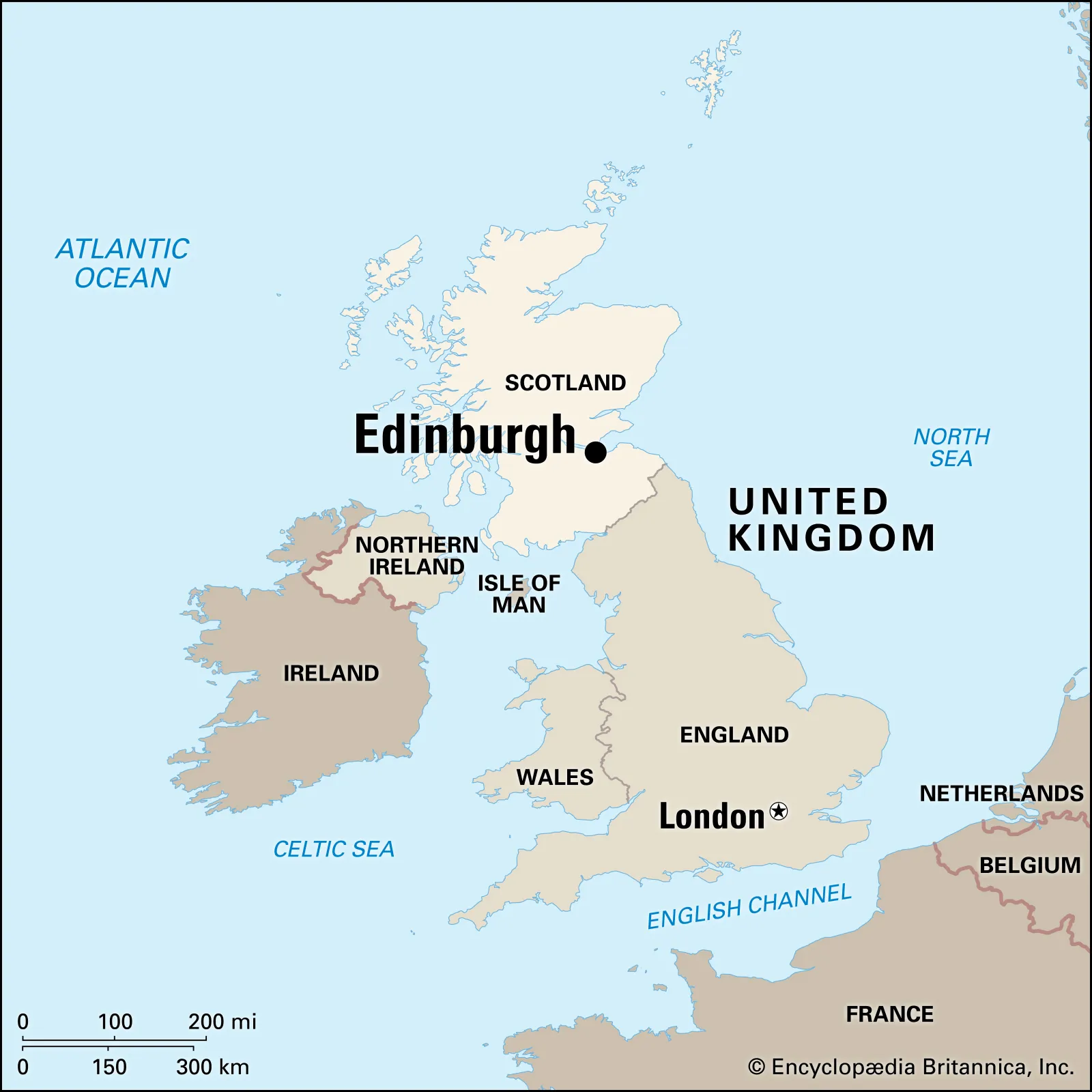
Edinburgh, the capital city of Scotland, plays a significant role within the broader context of the United Kingdom. To fully grasp Edinburgh’s geographical location, cultural prominence, and political significance, it is essential to explore various dimensions, including its historical background, economic contributions, and societal impact. This article aims to provide an in-depth analysis of what part of the UK Edinburgh occupies by delving into contextual information that shapes its identity and role in contemporary society.
Understanding Edinburgh’s Geographical Significance
Edinburgh is located in the southeastern part of Scotland, bordered by the Firth of Forth to the north. This geographic position contributes to its status as both a historical and administrative center. The topography includes the rocky volcanic hills that define its skyline, making it not only visually striking but also strategically advantageous through centuries of development.
A Historical Overview of Edinburgh’s Development
The evolution of Edinburgh as a significant urban center can be traced back to its medieval origins. Established as an important fort in the Iron Age, it has served various roles throughout its history—capital of Scotland since 1437, site for pivotal events in Scottish history, and a hub for cultural advancement during the Scottish Enlightenment. This historical context is crucial for understanding its current status in the UK and its role within Scotland. For more on Edinburgh’s rich history, you can read about Edinburgh: Explore the Rich History and Iconic Landmarks of Scotland’s Capital.
Urban Layout and Infrastructure
The city is famously divided into the Old Town and New Town, each representing different eras and architectural styles. The Old Town retains medieval street layouts, while the New Town, developed in the 18th century, features neoclassical architecture. This diverse infrastructure supports Edinburgh’s identity as a UNESCO World Heritage Site and reflects its cultural significance within the UK. For insights on the preservation of this heritage, see Old Town and New Town: Preserving Edinburgh’s UNESCO Heritage.
A Comparative Analysis: Edinburgh and Other UK Cities
In evaluating what part of the UK Edinburgh occupies, it is helpful to contrast it with other major cities. This comparison can highlight its unique characteristics and strengths as an urban center.
Key Attributes of Major UK Cities
The following table offers a structured comparative breakdown of Edinburgh alongside other prominent UK cities like London, Manchester, and Glasgow, focusing on aspects such as population, area, economic output, and cultural significance.
| City | Population (2026) | Area (sq km) | Economic Output (£ millions) | Cultural Significance |
|---|---|---|---|---|
| Edinburgh | 540,000 | 264 | 40,000 | Capital of Scotland, UNESCO World Heritage Site |
| London | 9,000,000 | 1,572 | 700,000 | Global financial center, cultural capital |
| Manchester | 550,000 | 115 | 100,000 | Major cultural and economic center, innovation hub |
| Glasgow | 620,000 | 175 | 100,000 | Significant cultural, artistic center, proud maritime history |
This comparative analysis reveals that while Edinburgh has a smaller population than London, it still maintains a robust economic output and plays a crucial cultural role, particularly in arts and education. For events showcasing this cultural richness, explore the Edinburgh Festivals 2026: Fringe, International, and Book Festival.
Sectoral Contributions to the Economy
Edinburgh’s economic foundation is diverse and heavily influenced by sectors such as finance, education, and tourism. Each of these sectors contributes to its status within the UK as a leading city.
The Financial Sector and Its Importance
Often referred to as the “Financial Capital of Scotland,” Edinburgh is home to several major financial institutions, including banks and investment firms. The city represents a significant percentage of UK financial services, showcasing its importance in the national economy.
The Educational Landscape
With several prestigious universities, including the University of Edinburgh and Edinburgh Napier University, the city serves as a major educational hub. It attracts a large number of international students, further enriching its cultural diversity and fostering innovation through research and development. For those interested in studying in this vibrant city, you can find further insights in Is Edinburgh Friendly to Americans?.
Tourism’s Role in Edinburgh’s Economy
As a cultural icon famed for its history, festivals, and architecture, tourism is a significant contributor to Edinburgh’s economy. The city’s annual events, such as the Edinburgh Festival Fringe, attract millions of visitors, underlining its status as a cultural powerhouse in the UK.
Regulatory Framework and Governance
Understanding the regulatory context of Edinburgh involves examining the structures that govern its local and national significance.
Local Governance in Edinburgh
The city operates under a council system that oversees various aspects, including education, transportation, and urban development. This local governance plays a critical role in shaping the urban landscape and addressing the needs of residents, thus impacting its overall functionality within the UK.
Scotland’s Devolution and Legislative Powers
The devolution of powers to the Scottish Parliament has allowed Edinburgh to exercise greater autonomy in decision-making processes related to health, education, and justice among other areas. This political framework plays a pivotal role in the administration of Edinburgh and enhances its influence within the UK context.
Decision-Making Framework for Stakeholders
For individuals and organizations considering a relationship with Edinburgh—be it in investments, tourism, or partnerships—a systematic approach to decision-making is vital.
Factors to Consider in Decision Making
- Credibility and Reputation: Evaluate Edinburgh’s standing as an economic center and its reputation for quality education and cultural offerings.
- Regulatory Environment: Consider the city’s regulations and how the devolved powers impact business operations.
- Market Potential: Analyze the demographic and economic data to identify potential growth areas.
- Cultural Alignment: Assess how cultural factors may influence interaction with Edinburgh, particularly in sectors such as tourism and education.
This framework aids stakeholders in navigating the complexities of establishing a presence or partnership in Edinburgh, reinforcing its identity as a significant player within the UK.
Challenges and Barriers Affecting Edinburgh
While Edinburgh has many strengths, it is also important to recognize the risks, limitations, and trade-offs inherent to its position and environment.
Economic Vulnerabilities
As with many cities, Edinburgh is not immune to economic fluctuations influenced by global events. Dependency on the financial sector can make it susceptible to downturns in economic conditions.
Social Disparities and Infrastructure Challenges
Despite its wealth and progress, Edinburgh grapples with social issues, including housing affordability and access to public services. Addressing these disparities is crucial for sustainable development and maintaining a high quality of life for residents.
Establishing Trust and Transparency in Edinburgh
For stakeholders and citizens alike, understanding the importance of trust and transparency in governance and business practices is essential.
Transparency in Governance
Local authorities strive to uphold transparency through public reporting and community engagement initiatives. This helps foster trust and cooperation among residents and government, ultimately benefiting Edinburgh’s social fabric.
Business Practices and Ethical Standards
In promoting ethical business standards, Edinburgh’s financial sector has also begun to prioritize corporate social responsibility (CSR) initiatives. By investing in local communities and sustainable practices, businesses can strengthen their legitimacy and impact.
By analyzing various factors influencing Edinburgh’s position within the UK, it becomes evident that it occupies a multifaceted and dynamic role. Given its historical legacy, cultural significance, and economic contributions, Edinburgh not only serves as Scotland’s capital but also stands as a vital element of the UK’s identity. The ongoing analysis of its regulatory context, decision-making frameworks, and the challenges it faces underscores the importance of understanding Edinburgh holistically in an ever-changing landscape.